REVIEW · BOSTON
Sushi Making Class at a Local Brewery in Boston
Book on Viator →Operated by Classpop! · Bookable on Viator
Roll sushi, right in Boston.
This sushi-making class brings a seasoned chef into a local brewery setting, so your lesson comes with real food culture and a laid-back hangout mood. You start with warm miso soup, then roll both hand rolls (temaki) and inside-out rolls (uramaki) using ingredients that fit gluten-free, nut-free, and dairy-free needs.
I like two things a lot here: the class is hands-on from start to finish, and you leave with a full meal you made yourself. I also appreciate the brewer vibe, where you can sip craft beer while you practice techniques. One consideration: the chef may not use a microphone, so if you’re not close, you could catch less during instructions.
In This Review
- Quick Highlights You’ll Actually Care About
- Why This Boston Brewery Setting Works for Sushi
- The 2-Hour Flow: From Miso Soup to Two Styles of Rolls
- 1) Miso Soup: Your First Warm Bowl
- 2) Hand Rolls (Temaki): The Most Forgiving Roll Style
- 3) Inside-Out Rolls (Uramaki): Where Technique Shows
- 4) You Eat What You Cook
- Chef Harold’s Instruction Style (and the No-Mic Reality)
- The Menu You’ll Make: Simple on Paper, Useful in Skills
- Brewery Vibes and Beer Timing: How to Plan Your Drink
- Dietary-Friendly Sushi: Gluten-Free, Nut-Free, Dairy-Free
- What It Feels Like in a Small Group (Up to 25 People)
- Value for $75: Why This Price Makes Sense
- Who This Sushi-Making Class Is Best For
- How to Book Smart (Without Overthinking It)
- Should You Book This Sushi-Making Class at the Brewery?
- FAQ
- How long is the sushi-making class?
- What does the class cost?
- What time and where does it start?
- What will I make during the class?
- Are drinks included in the price?
- Does the class accommodate dietary restrictions?
- How large is the group?
- What is the cancellation policy?
Quick Highlights You’ll Actually Care About
- Miso soup warm-up: you begin with miso paste, dashi, and wakame seaweed.
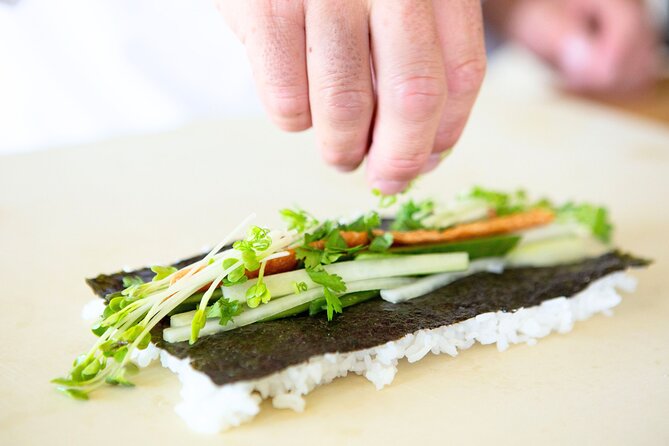
- Two roll styles: you’ll make both temaki (hand rolls) and uramaki (inside-out rolls).
- Diet-aware ingredients: gluten-free, nut-free, and dairy-free options are built into the class.
- Chef Harold’s experience: the instruction is led by a sushi chef with 20+ years of experience.
- Craft beer is optional: drinks are for purchase at the bar, typically $3 to $20.
Why This Boston Brewery Setting Works for Sushi
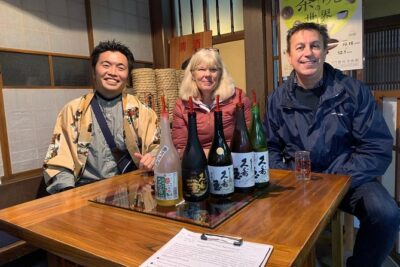
Most sushi classes are set up like cooking labs. This one feels more like a neighborhood night out with instruction. You’re at a local brewery known for craft beer, and that matters because it changes the tone: less stiff, more social, and easier to relax while you learn.
You’re also getting real instruction from someone with 20+ years of sushi experience. In practical terms, that means you’re more likely to learn the small steps that make rolls hold together, not just the “wrap rice and hope” approach.
And because the class is only about 2 hours, you won’t spend half your night watching. You’ll make food. That’s the big win.
You can also read our reviews of more tours and experiences in Boston.


The 2-Hour Flow: From Miso Soup to Two Styles of Rolls
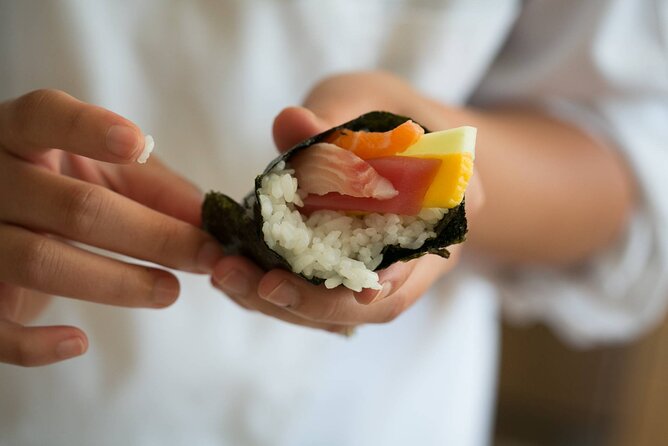
The schedule is simple, and that’s a compliment. You start with a bowl of miso soup, then move straight into rolling.
1) Miso Soup: Your First Warm Bowl
You’ll prepare miso soup using miso paste, dashi, and wakame seaweed. This isn’t just a starter to fill space. It gives you a quick taste of the flavor building blocks—savory depth from miso and dashi, plus the seaweed note.
If you’ve never cooked miso before, it’s a gentle way to start. You get hands-on time early, without needing special knife skills or advanced prep.
2) Hand Rolls (Temaki): The Most Forgiving Roll Style
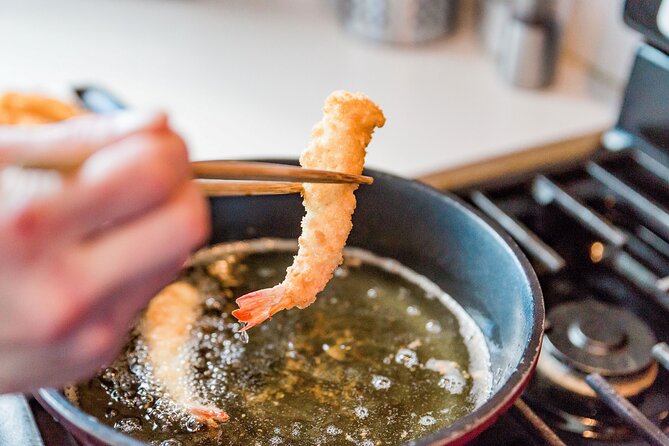
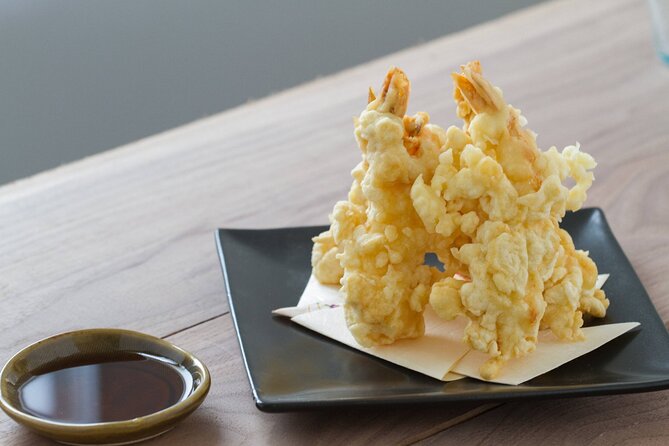
Then you’ll build hand rolls like the shrimp tempura hand roll and a sweet potato hand roll. The class structure makes temaki a great early target because hand rolls are more flexible than precision-cut rolls.
In the class menu, you’re working with shrimp, nori, and sushi rice for the shrimp tempura hand roll. For the sweet potato hand roll, you’re pairing sweet potato with nori and sushi rice. You’ll learn how to control the rice layer and how to build a filling that stays inside your nori.
3) Inside-Out Rolls (Uramaki): Where Technique Shows
Next comes uramaki, the inside-out roll style. This is where you get to practice shaping and assembly in a more structured way than temaki.
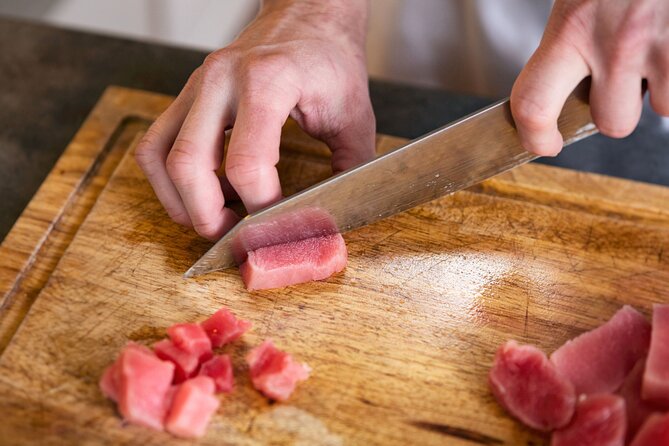
The sample main listed includes a spicy tuna roll. That means you’re working with tuna, sushi rice, and nori—plus the “spicy” element that comes with it. Even if the exact spice mix isn’t laid out in the menu, the key lesson is the same: balance the filling and keep the roll tight.
4) You Eat What You Cook
You don’t just take notes. You eat the rolls you made yourself. That’s a huge value lever because the class is designed around finished food, not just technique demos.
Chef Harold’s Instruction Style (and the No-Mic Reality)
This class is guided by Chef Harold, and the reviews emphasize how good he is at explaining food and industry experience. That’s not a small detail. When a chef can translate the “why” behind the steps, you usually pick up skills faster.
There’s also a comfort angle: when you’re seated close, you’ll get the best chance to hear the guidance. One practical drawback is that the chef doesn’t use a microphone, so hearing instructions can be tricky if your seat is farther away.
My advice: go for a seat where you can face the instructor. If you know you have trouble hearing in noisy rooms, arrive a touch early so you can choose your spot.
The Menu You’ll Make: Simple on Paper, Useful in Skills
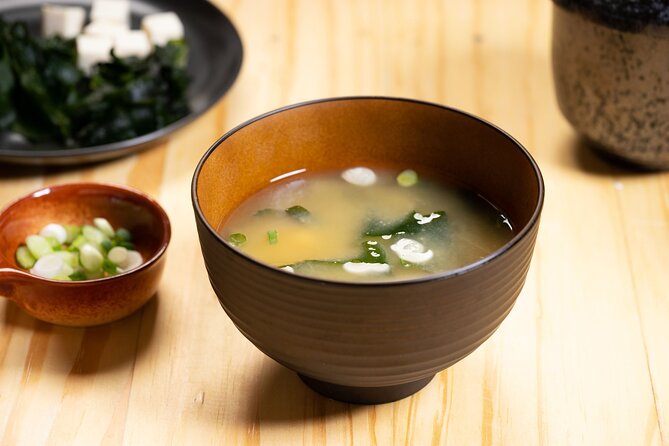
The listed sample menu is refreshingly straightforward. That can feel “simple,” but in a sushi class, simple is often better than fancy.
Here’s what you’ll cook:
- Starter: Miso soup with miso paste, dashi, and wakame seaweed
- Main 1: Shrimp tempura hand roll (shrimp, nori, sushi rice)
- Main 2: Sweet potato hand roll (sweet potato, nori, sushi rice)
- Main 3: Spicy tuna roll (tuna, sushi rice, nori)
Why I think this menu works for you:
- You practice multiple build patterns. Hand rolls teach assembly and rice control. Inside-out rolls teach shaping and layering.
- You get seafood plus a vegetarian option (sweet potato), so you’re not stuck doing one filling over and over.
- You learn with common sushi ingredients: nori, sushi rice, tuna, and supportive flavors like miso.
If you’re the type who wants a 12-course menu with rare fish, this may not scratch that itch. But if you want skills you can actually use again at home, the menu is well targeted.
Brewery Vibes and Beer Timing: How to Plan Your Drink
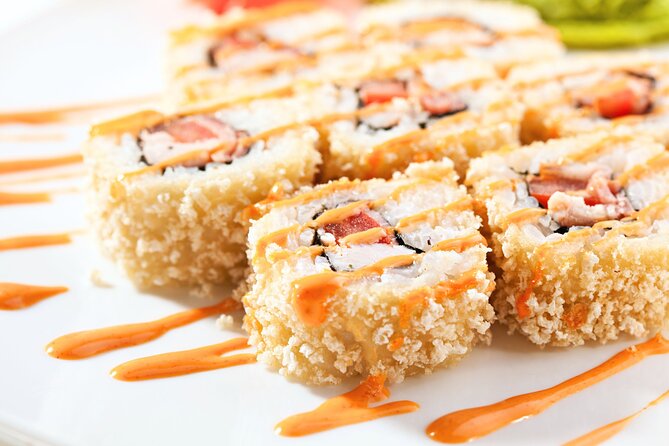
This class is hosted at a brewery environment, and drinks are available for purchase at the bar. The prices listed run from $3 to $20, depending on what you order.
Here’s the practical part: you’re cooking with hands and focusing on assembly. If you want to keep your rolls tidy, treat beer like a companion, not the main event. One drink is often the sweet spot—enjoy the vibe without losing fine motor control.
If you’re coming with a group, decide early if you’re all getting drinks at the start or after the rolling begins. That simple plan reduces chatter during instruction and helps everyone stay synced.
Dietary-Friendly Sushi: Gluten-Free, Nut-Free, Dairy-Free
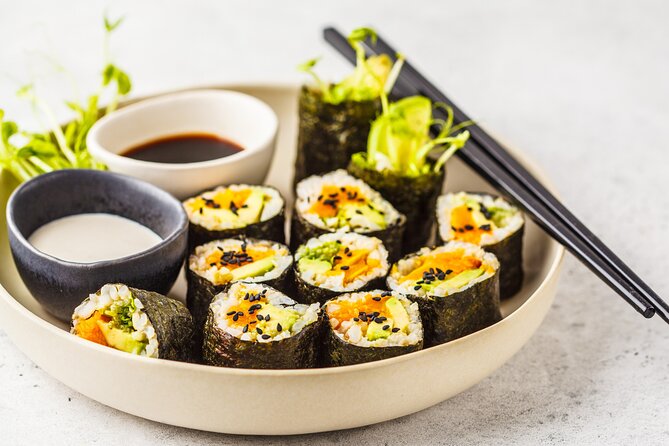
One of the most useful parts of this experience is that it’s designed for dietary needs. The class uses fresh, gluten-free, nut-free and dairy-free ingredients, and they encourage you to tell them in advance if you have other restrictions.
Why that matters: sushi can be an allergy minefield if cross-contact happens. Here, the class is set up around ingredient needs from the start. That means you can focus on learning the roll technique rather than worrying nonstop about what might be hiding in sauces.
If you’re someone who usually has to “sit out” food experiences, this type of diet-aware planning can be a relief. Still, message the organizer with your specifics so they can tailor as best they can.
What It Feels Like in a Small Group (Up to 25 People)
The class has a maximum of 25 travelers. For a cooking format, that’s a key detail. Big enough for energy, small enough to keep the instruction practical.
Still, with no microphone, the size and room layout matter. If you’re sensitive to sound, sit where you have a clear view of the chef’s hands. Rolling technique depends on what you see as much as what you hear.
If you’re booking for a date night or friends, the group size also helps you keep conversation going. You’ll likely share tips and laugh when rolls do what rolls always do: try to fall apart.
Value for $75: Why This Price Makes Sense
At $75 per person, you’re paying for more than ingredients. You’re paying for:
- a guided class led by an experienced sushi chef
- hands-on tools and ingredients provided
- instruction with real technique
- a complete meal you cook yourself
- a brewery setting that turns cooking into an event
In plain terms, you’re not just buying food. You’re buying the ability to walk away knowing how to make at least two major sushi formats. For many people, that’s the value. You’d spend a lot more time and money tinkering at home before getting to the same confidence level.
And because the menu includes both seafood and a vegetarian option, you’re getting variety without the extra complexity that makes classes pricier.
Who This Sushi-Making Class Is Best For
I’d steer you toward this class if you want:
- a hands-on cooking night with a clear structure
- a sushi skill boost without needing prior experience
- a social outing that includes food and craft beer nearby
- dietary-aware ingredients and the option to request tailoring
It’s a great fit for couples and friends. It’s also smart for anyone who’s curious about sushi but intimidated by “making it at home” logistics.
If you’re an advanced sushi nerd who already knows how to roll uramaki and wants deep focus on knife work or rare ingredients, you might find the menu feels straightforward. But the core promise here is confidence and fun, not advanced culinary school.
How to Book Smart (Without Overthinking It)
This experience uses a mobile ticket, and you’ll receive confirmation within 48 hours of booking, depending on availability. It runs about 2 hours and starts at 12:00 pm at Long Live Roxbury, 152 Hampden St, Boston, MA 02119.
Quick planning tip: arrive a bit early so you can find a good seat where you can see the chef clearly. With no microphone mentioned, sightlines help.
And if you need to cancel, you can get a full refund if you cancel at least 24 hours before the experience start time.
Should You Book This Sushi-Making Class at the Brewery?
Yes—if your goal is a fun, structured way to learn sushi rolling and eat what you make. The biggest strengths are the hands-on format, the bread-and-butter menu that teaches real technique, and the diet-aware ingredient approach. Chef Harold also has a reputation for being great at instruction, and that’s what turns a cooking activity into a skill builder.
I’d say think twice only if you’re very sensitive to audio in busy rooms (since the chef doesn’t use a microphone) or if you’re hoping for a more complex, showy menu beyond miso soup plus the listed rolls.
If you want a relaxed Boston brewery outing that also leaves you with actual sushi-making ability, this is an easy yes.
FAQ
How long is the sushi-making class?
The class runs about 2 hours.
What does the class cost?
It costs $75.00 per person.
What time and where does it start?
It starts at 12:00 pm at Long Live Roxbury, 152 Hampden St, Boston, MA 02119, USA.
What will I make during the class?
You’ll make miso soup, plus sushi rolls including hand rolls (temaki) and inside-out rolls (uramaki) such as a shrimp tempura hand roll, a sweet potato hand roll, and a spicy tuna roll.
Are drinks included in the price?
No. Drinks are available for purchase at the bar. Prices range from $3 to $20.
Does the class accommodate dietary restrictions?
Yes. The class uses gluten-free, nut-free, and dairy-free ingredients, and they ask you to let them know your needs in advance so they can tailor the experience.
How large is the group?
There is a maximum of 25 travelers.
What is the cancellation policy?
You can cancel for a full refund if you cancel at least 24 hours before the experience’s start time. Confirmation is received within 48 hours of booking, subject to availability. Service animals are allowed.