REVIEW · SAITAMA PREFECTURE
Unique Brewery Tour and One-of-a-Kind Sake Tasting Near Tokyo
Book on Viator →Operated by 奧むさし飯能観光協会 · Bookable on Viator
Doburoku is hard to find, but easy to like. This small-group trip to Yamane Brewery in Hannō turns rare sake making into a real, human experience, with wooden barrels and a tasting you can’t really substitute anywhere else.
I especially like the idea of doburoku made in tiny batches, then explained in plain terms, not wine-show hype. And I love that you taste three different sakes using special cups made from Hanno soil, a material that is no longer produced.
The main thing to consider is time and alcohol. The tour runs about 3 hours 30 minutes, and it includes sake and snacks, but lunch isn’t included, so you’ll want a plan for afterward.
In This Review
- Key highlights at a glance
- Why Hannō feels like the right day trip from Tokyo
- Meeting at Hannō Station, then walking to the bus
- Stop inside Yamane Sake, in a house with real character
- Wooden barrels from Nishikawa timber: where the flavor comes from
- The doburoku bottling challenge (and why it’s so rare)
- The tasting: three sakes, plus snacks, served in Hanno-soil cups
- Who’s running the show, and what that does for your experience
- The return bus and lunch math you’ll want to do
- How this tour compares in value to typical sake tasting
- Best fit: who will enjoy this most
- Should you book Yamane Brewery’s unique doburoku tasting?
- FAQ
- How long is the Yamane Brewery tour?
- Where does the tour start and end?
- What’s included in the price?
- How many people are in the group?
- Is there a fixed start time?
- Do I need to plan lunch for afterward?
Key highlights at a glance
- A doburoku-focused brewery using unfiltered moromi bottled while fermentation keeps going
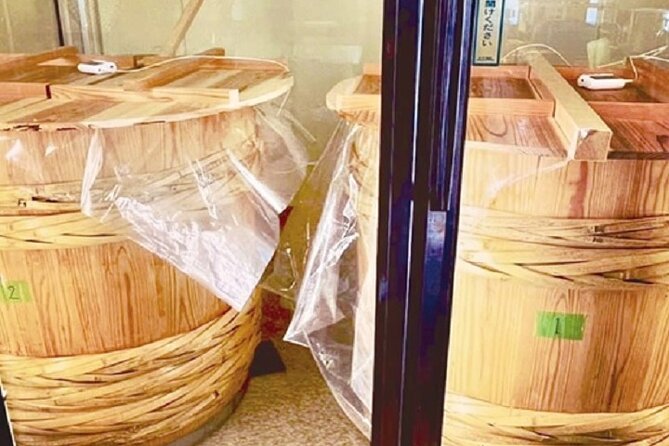
- Wooden barrels from Nishikawa timber that let natural microbes shape the flavor
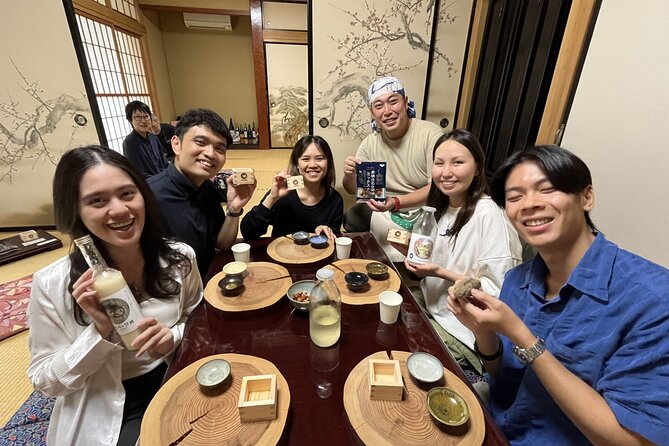
- Three sake tastings with locally crafted cups made from 100% Hanno soil
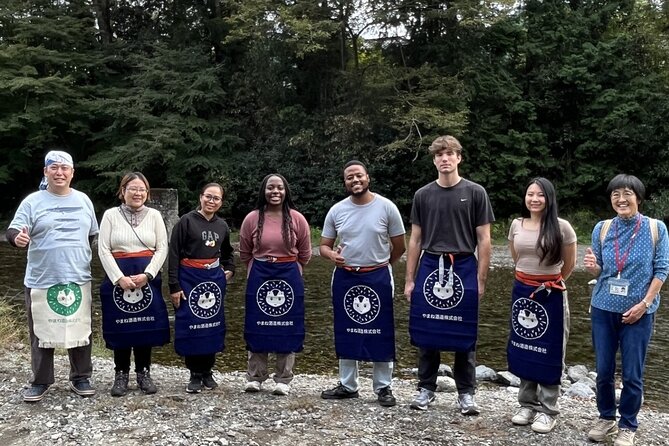
- Small group size (max 8), which keeps questions from getting lost
- A repurposed convenience-store origin that adds a down-to-earth, sustainable feel
Why Hannō feels like the right day trip from Tokyo
Hannō is about an hour by train from Tokyo, so you get the “leave the city” payoff without committing to a long haul. It’s also a useful base for stacking another stop later. You can pair this with sights like Moominvalley Park and day trips toward Chichibu or Kawagoe.
What makes this outing especially practical is that it’s designed around local movement and a schedule that fits mid-afternoon energy. The experience starts at 1:00 pm at Hannō Station, and you’re back there afterward around lunchtime.
You can also read our reviews of more tours and experiences in Saitama Prefecture.

Meeting at Hannō Station, then walking to the bus
You’ll start at Hannō Station. After you exit the ticket gate, you look for your guide holding a tour placard. You’ll meet your small group, get a briefing, and then walk together to the bus.
This first phase is more than waiting. It helps you get oriented fast, so the brewery portion feels like a focused visit instead of a scavenger hunt. It also sets expectations for the kind of story you’ll hear: traditional methods, small batches, and conservation-minded brewing rather than mass-production shortcuts.
One small consideration: the tour includes time at the station before the bus, but it also notes that some admission tickets linked to the station portion are not included. The good news is that the real experience is at the brewery, and the station segment mainly keeps your timing smooth.
Stop inside Yamane Sake, in a house with real character
The heart of the day happens at やまね酒造 (Yamane Brewery). Before you jump into fermentation talk, you visit the home of the head of a traditional Japanese house. It’s full of character and history, and it’s where you get the first true learning moment: how sake brewing at Yamane differs from conventional approaches.
This is where I think the tour earns its value. A lot of sake experiences throw facts at you during tasting, but here you build context first. You learn that the brewery’s signature is doburoku—not standard sake. Doburoku is made by bottling the unfiltered mash (moromi) while fermentation is still continuing. That detail matters because it explains why doburoku is so rare, and why storage is difficult.
In other words, the tour is doing something smart: it helps you taste with your brain turned on.
Wooden barrels from Nishikawa timber: where the flavor comes from
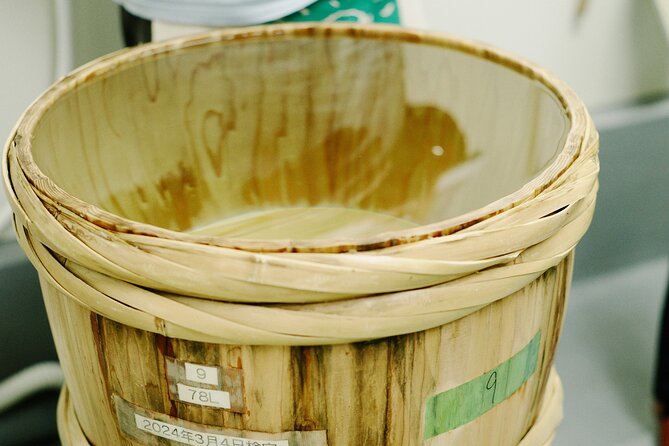
Most breweries use stainless tanks because they’re predictable and easy to control. Yamane takes a different route. Instead of stainless steel, they ferment in traditional wooden barrels made from local Nishikawa timber.
Why this matters to you: wood isn’t just a vessel. It brings its own influence, and it also creates a living environment. The brewery’s approach lets natural microorganisms thrive, and the final profile is shaped by the interaction of wood, water, and fermentation conditions. The result is that you should expect a sense of variation—one-of-a-kind character each time.
If you like food and drink that taste like they have a place, this is the core idea behind the trip. You’re not just sampling alcohol; you’re tasting a method that’s tied to materials you can’t easily replicate on the other side of the world.
The doburoku bottling challenge (and why it’s so rare)
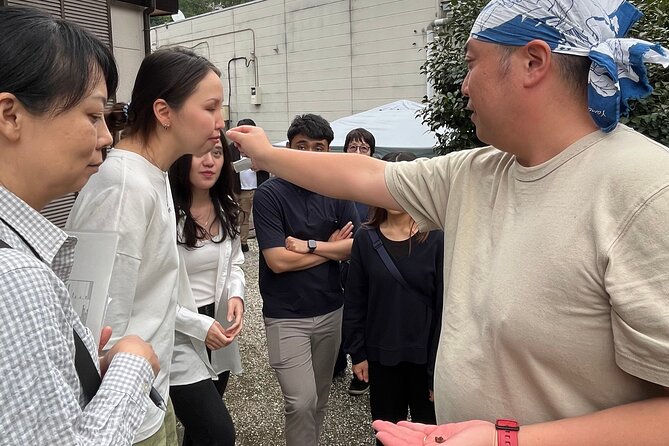
Here’s the practical background that makes Yamane’s work feel important. Doburoku is hard to store because it’s made by bottling while fermentation continues. That means it needs careful handling and can’t be treated like a shelf-stable mass product.
So when you learn that Yamane handcrafts this sake in small batches, you can understand why restaurants rarely serve it. In a tour like this, it’s not a gimmick. The rarity is baked into the production reality.
This is also where the repurposed-convenience-store detail becomes more than a quirky fact. It reinforces that this is not an industrial operation chasing scale. It’s small, thoughtful, and built around a way of making that supports sustainability rather than expanding at all costs.
The tasting: three sakes, plus snacks, served in Hanno-soil cups
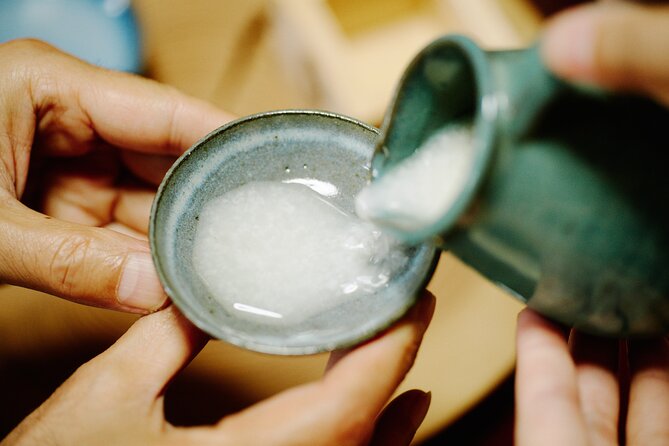
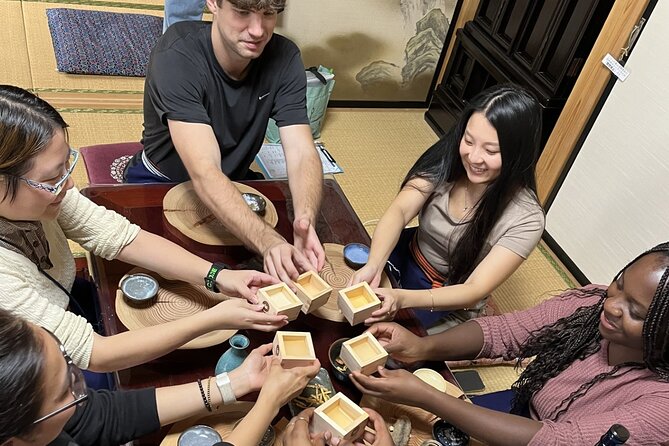
After the explanation, you get to the part you actually came for: tasting. The tour includes a sampling of snacks and three types of sake from this special style.
You’ll also notice something unusual right away: the cups are made from 100% Hanno soil. The material is described as no longer produced, only available in limited quantities. That means the tasting vessel isn’t interchangeable either. It’s part of the experience, and it adds to the sense that this is locally rooted, not a generic tasting setup.
I like that the tour doesn’t just say taste A, taste B, drink and go. With only a small group, you can ask how to serve, what differences to notice, and why the brewery’s method changes the result. Reviews also mention learning proper serving practices and getting help answering questions, which is exactly what you want if you’re not a long-time sake expert.
Also, do yourself a favor: pace yourself. Even though the tour only mentions tastings (not a specific flight order), three sakes plus snacks can move faster than you expect. If you’re sensitive to alcohol, take smaller sips and give yourself a chance to reset between varieties.
Who’s running the show, and what that does for your experience
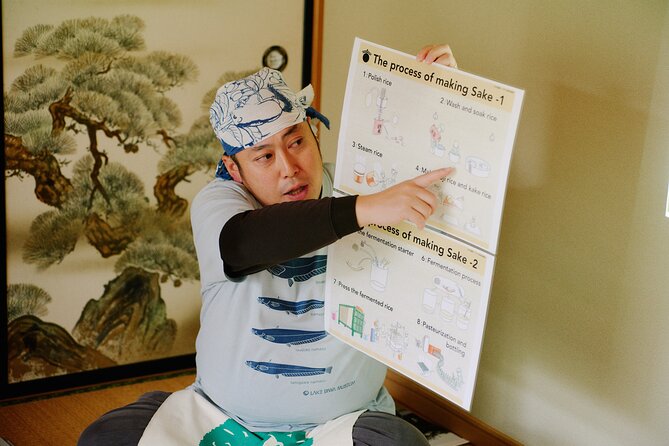
One of the big strengths of this tour is the personal hosting. Reviews name guides such as Fukunari and Mr Wakabayashi, and they consistently emphasize friendly explanations and real answers to questions. That matters because sake can be full of jargon—moromi, fermentation, barrel influence—and a good guide makes those ideas click.
In practical terms, a small group means your curiosity doesn’t get swallowed by the schedule. You’re not just a body in line; you’re part of a short conversation at the pace of the group.
The return bus and lunch math you’ll want to do
After the brewery visit, you ride the bus back to Hannō Station with the guide. Around lunchtime, you arrive back at the station and you can enjoy lunch at restaurants the guide recommends.
Lunch isn’t included, so you’ll want to handle it yourself. This is actually a good setup for value. The tour price goes into craft, tastings, and the guided visit, and then you’re free to choose something that fits your appetite and budget right there near the station.
How this tour compares in value to typical sake tasting
At $100.43 per person for about 3 hours 30 minutes, this isn’t the cheapest option. But when I judge value, I look at what you’re actually paying for:
- Rarity and method: doburoku plus unfiltered moromi fermentation context is not standard tasting fare
- Real materials: wooden barrels made from local Nishikawa timber, plus cups made from Hanno soil
- Small group format: max 8 travelers means more time with the host and fewer distractions
- Tasting included: three sake types plus snacks are part of the experience
If you’ve done a generic brewery stop elsewhere where everything feels pre-packaged, this one leans more toward craft explanation and distinctive ingredients. You’re paying for specificity: the why behind the flavor, not just the act of drinking.
Best fit: who will enjoy this most
This tour is a strong match if you:
- love sake and want to taste something closer to doburoku than typical restaurant pours
- enjoy food and drink tied to local materials and traditional tools
- like small groups and Q&A where the guide can actually answer you
- want an afternoon activity that fits neatly into a day built around Hannō and nearby sights
It’s less ideal if you want a long sit-down meal or if you prefer alcohol-free experiences. Alcohol and tasting are built into the plan.
Should you book Yamane Brewery’s unique doburoku tasting?
If your goal is a simple tasting, there are cheaper options. But if you want something that feels tied to place—Nishikawa timber barrels, doburoku production reality, and cups made from Hanno soil—I think booking makes sense.
Here’s my practical test: if you’d be excited to learn why doburoku is rare and how fermentation in wood can change what you taste, you’ll likely leave happy. If you mainly want a food-and-drink photo stop, this might feel more educational than casual.
FAQ
How long is the Yamane Brewery tour?
It runs for about 3 hours 30 minutes.
Where does the tour start and end?
It starts and ends at Hannō Station in Hannō, Saitama, Japan.
What’s included in the price?
The tour includes sake tastings (three types) and snacks. Lunch is not included.
How many people are in the group?
The tour has a maximum of 8 travelers.
Is there a fixed start time?
Yes. The tour starts at 1:00 pm.
Do I need to plan lunch for afterward?
Yes. You’ll return to Hannō Station around lunchtime, and the guide will have recommended local restaurants, but lunch is not included in the tour.