REVIEW · TAKAYAMA
Takayama: Authentic Sake Tasting at a Historic Brewery
Book on GetYourGuide →Operated by Happy Plus Corporation · Bookable on GetYourGuide
One sip can change how you see Takayama. This short sake tasting pairs a historic brewery visit with clear explanations of how regional factors shape the flavor, then lets you sample multiple local pours. The format is easy to fit into a day in town.
I especially like two things: the chance to learn the process in a way that makes differences in aroma and texture click, and the fact that you taste five local sakes with an English-speaking guide like Takumi さん. The one drawback is timing: you have to show up 5–10 minutes early, or the experience may run tighter than expected.
In This Review
- Key takeaways before you go
- A 30-minute Takayama sake lesson that feels practical
- Why Takayama is a sake town worth learning
- Inside the historic brewery: what the visit actually adds
- The tasting: how you go from sipping to noticing differences
- Meet the guide: Takumi さん and the art of making it fun
- What “local” means in a Takayama tasting
- Price and value: is $51 for 30 minutes reasonable?
- Timing and logistics that can make or break it
- Where to meet: find Happy Plus fast
- Who this works best for
- Should you book this Takayama sake tasting?
- FAQ
- How long is the Takayama sake tasting?
- How many sakes will I taste?
- Is the tour conducted in English?
- Do I need to be 20 to join?
- Is it available in bad weather?
- Where is the meeting point?
- What should I bring or know beforehand?
Key takeaways before you go
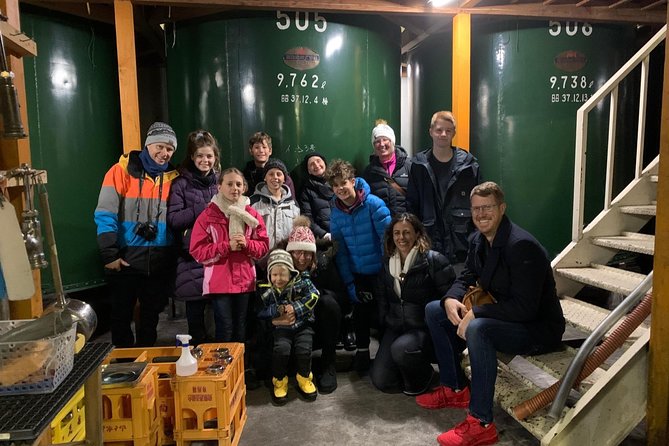
- Historic brewery context: you’re not just drinking; you’re seeing how brewing culture fits into Takayama.
- Five local sake tastings: you learn to spot differences in aroma, flavor, and texture.
- A short, relaxed 30-minute format: built for limited time without feeling rushed.
- English guidance with clear explanations: ideal whether you’re a total beginner or already know your stuff.
- Age rule for tasting: you can join under 20, but you can’t participate in the sake sampling.
A 30-minute Takayama sake lesson that feels practical
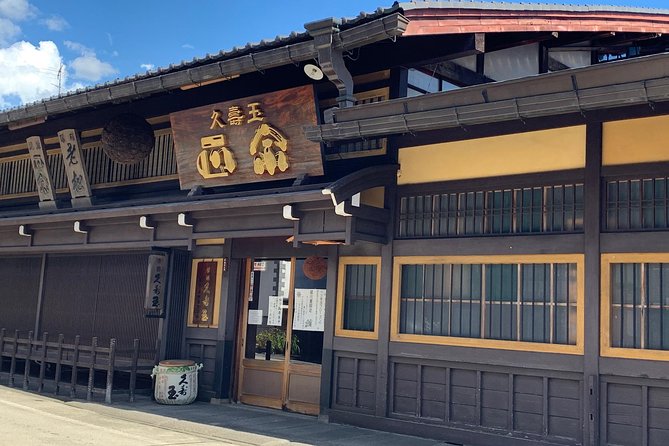
Takayama is one of those Japanese towns where tradition isn’t a costume. Even the sake story has logic: cold winters, clean mountain water, and craftspeople who have kept refining techniques for generations. This experience gives you the fast version of that story—without turning it into a lecture.
What makes it work is the pacing. You’re not committing to half a day. In about 30 minutes, you get the basics of how sake is brewed, then you move straight into tasting so the words turn into something you can actually notice. I like that approach because sake gets confusing when you only hear about it. Tasting first, hearing details right alongside it? That’s the route to understanding.
You can also read our reviews of more tours and experiences in Takayama.
Why Takayama is a sake town worth learning
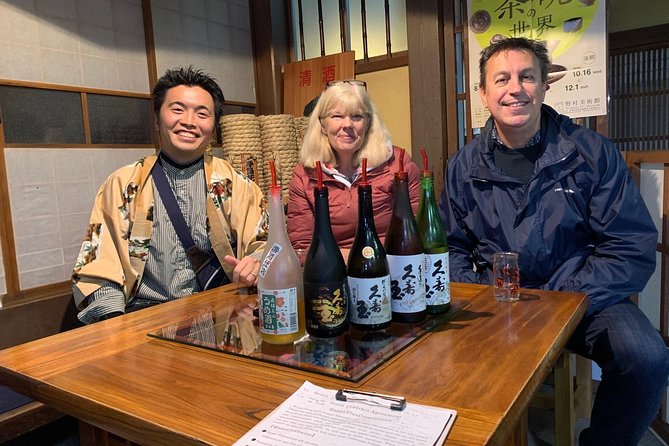
Long ago, Takayama had more than 50 sake breweries. Over time, the number dropped, but the reputation stuck. Today only a few breweries remain, continuing traditions passed down through generations.
Here’s why Takayama’s conditions matter for flavor. Cold winters help support consistent brewing work, and pure mountain water is part of the foundation. Then there’s craftsmanship: the repeatable, careful work done by people who have been doing this for a very long time. You don’t have to be a scientist to get it—you just need a guide to connect the regional story to what you’ll taste.
That connection is exactly what this tasting is built for. The guide explains what you’re drinking in plain terms: ingredients, fermentation, and the regional characteristics that affect how the final sake feels in your mouth.
Inside the historic brewery: what the visit actually adds
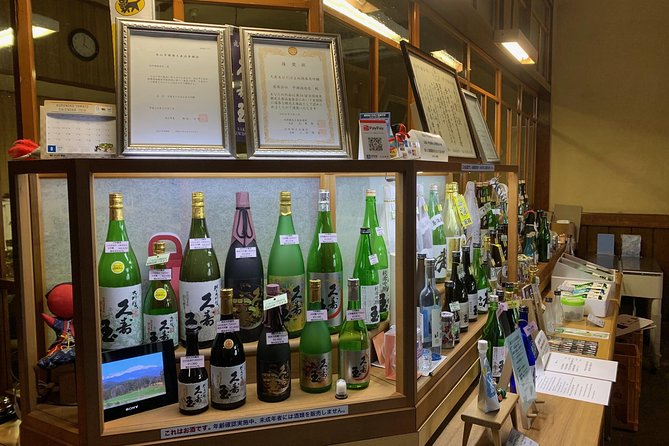
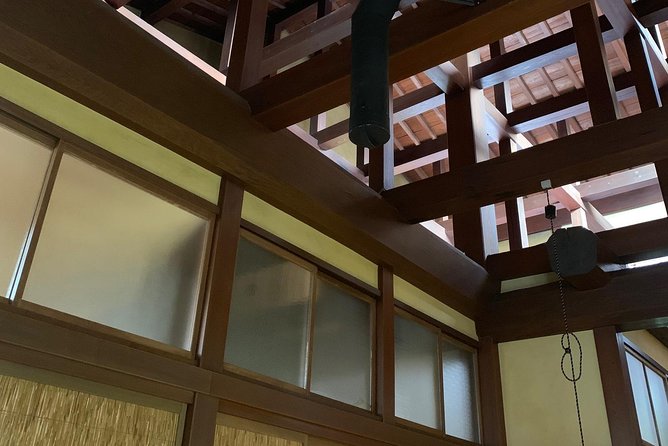
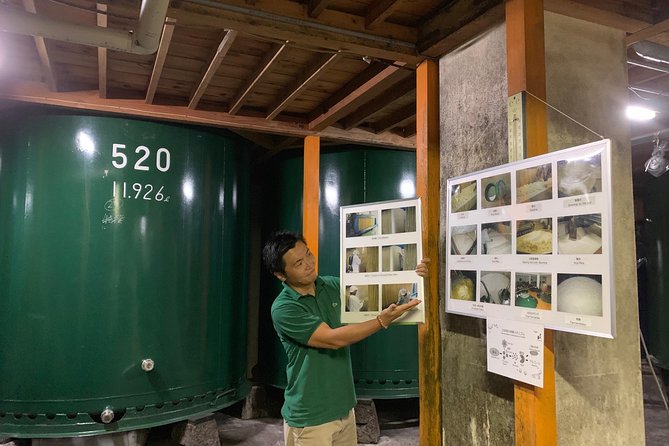
A brewery visit can be either meaningful or mostly decorative, depending on how it’s handled. This one is designed to give context while keeping the experience short. You enter a historic local sake brewery, and you’ll learn how sake is made with an emphasis on the steps that help shape the end result.
Think about it this way: sake isn’t just alcohol in a bottle. Aroma comes from fermentation choices and the way ingredients are handled. Flavor develops as processes unfold. Even texture—how the sake feels on your tongue—can shift based on brewing style and how the sake is finished.
You’ll walk out with a more useful mental model. Not a complicated one. Just enough structure to understand why two sakes can taste different even when they look similar in the glass.
The tasting: how you go from sipping to noticing differences
The best part is the sampling. You’ll taste five carefully selected local sakes. The guide helps you recognize differences in aroma, flavor, and texture, which is the key skill if you want sake to feel more than a novelty.
During the tasting, you’ll be guided to pay attention to things you might otherwise ignore:
- Aroma: what you smell first often hints at how the flavor will behave.
- Flavor: sweetness, dryness, and balance can shift significantly across local varieties.
- Texture: the feel matters. Some sakes feel lighter and crisp; others feel fuller or more rounded.
If you’ve ever wondered why one sake feels smoother while another feels sharper, this is where it becomes obvious. The tour is short, but the focus is targeted: it’s aimed at helping you build a quick set of tasting habits.
One interesting extra note from real experience: while the format centers on five sakes, at least one participant reported tasting seven. That suggests some groups may receive slightly different pours depending on flow. Either way, you’ll leave with plenty of comparison points.
Meet the guide: Takumi さん and the art of making it fun
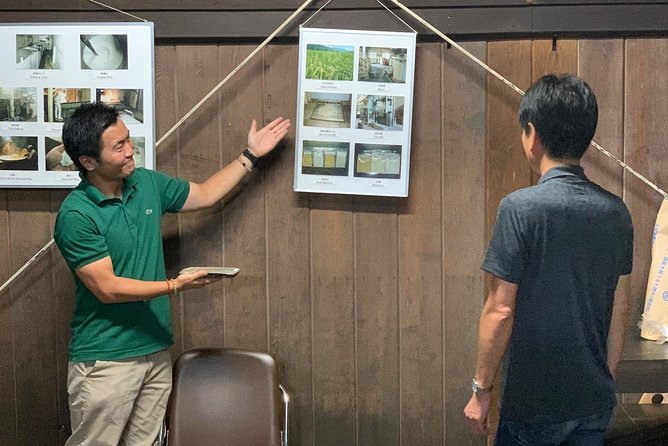
Sake education can go two ways: either it becomes technical fast, or it stays friendly and understandable. The experience aims for the second option. People have highlighted how the guide made the tour both informative and enjoyable.
Takumi さん is named in feedback, and the tone comes through: charm, humor, and professional clarity. One review even mentioned witty explanations that helped bring the history and the making process closer to the group. That matters because the goal isn’t to memorize terms. It’s to make sense of what you’re tasting in real time.
An English-speaking guide is also a practical win. In Japan, language mismatches can turn “interesting” into “just nodding politely.” Here, the explanation is structured so you can actually follow along.
What “local” means in a Takayama tasting
When a tasting says local, it often means different labels. Here it means something more specific: you’re drinking from Takayama’s sake culture and learning how regional factors shape the character of the brews.
That’s why the guide starts with the broader why. More than anything else, this experience teaches you to connect production choices to what you taste. You’re learning the reasoning behind the differences, not just the names.
And that’s the big value for your time. A short tasting is easy to skip if you’ve already visited a sake shop. But this one isn’t only about buying. It’s about understanding enough to recognize what you actually like, which makes future shopping decisions feel less random.
Price and value: is $51 for 30 minutes reasonable?
At $51 per person, you’re paying for:
- an entry into a historic local sake brewery
- an English-speaking guide
- a guided tasting of five local sakes
- explanations of ingredients, fermentation, and regional characteristics
Is it a bargain? Not exactly a rock-bottom price. But it’s also not overpriced for what’s included. The real value isn’t the alcohol—it’s the guided education plus the access to a historic brewing space in a compressed time window.
If you’re on a tight schedule, the “short but guided” part is what you’re buying. Paying a moderate fee for structured learning in 30 minutes often beats spending a longer afternoon wandering a shop with no context. You can always do unguided tastings later, but this is where you build the baseline understanding fast.
Timing and logistics that can make or break it
This experience is listed at 30 minutes, with a chance it runs a bit longer depending on how the visit flows. That’s normal for a guided tasting where pacing matters.
The key practical rule: arrive 5–10 minutes before the start time. If you’re late, the itinerary may be affected and the full experience may not be guaranteed. That’s worth taking seriously, especially if you’re hopping from a morning stop to an afternoon one.
The tour runs rain or shine, so you don’t have to play weather roulette. Also, you’ll want to have your passport with you, since it’s required.
Where to meet: find Happy Plus fast
Meeting point details are simple but specific. Go in front of the Tours & Activities sign board, then use Google Maps to search happyplus. Showing up early helps you confirm the right spot without stress.
A quick tip that saves time: if you’re using transit or walking between sights, build in a buffer. That way you’re not sprinting when you should be walking calmly.
Who this works best for
This tasting fits a few kinds of visitors perfectly:
- First-time sake drinkers who want guidance on what to notice
- People who like short, focused cultural stops
- Anyone who wants Takayama’s sake story tied to production, not just sales talk
- Sake lovers who enjoy comparison tasting with a local explanation
It’s also a smart choice if you don’t want a long tour. The whole point is that you can keep moving through Takayama without giving up your day.
One more important note: the legal drinking age in Japan is 20. Guests under 20 can join, but they aren’t permitted to participate in the sake tasting. If you’re traveling with a younger group, plan accordingly.
Should you book this Takayama sake tasting?
I think it’s a strong pick if you want a high-signal sake experience. You get a historic brewery setting, a clear explanation of brewing basics, and structured tasting of multiple local sakes in a short window. The English guidance helps you actually follow what’s happening, and the focus on aroma, flavor, and texture gives you something useful to carry forward.
You might skip it if you prefer totally independent sipping with lots of extra freedom, or if your schedule is so tight that arriving early feels risky. Otherwise, this is the kind of small cultural stop that makes a town feel like a real place, not just a checklist.
If you’re choosing one short sake activity in Takayama, this is the one I’d point you toward.
FAQ
How long is the Takayama sake tasting?
The experience is listed at 30 minutes. It may extend slightly depending on how the visit flows.
How many sakes will I taste?
You’ll sample five carefully selected local sakes during the guided tasting.
Is the tour conducted in English?
Yes. Tours are normally conducted in English. Other languages are not listed as guaranteed, but you can contact in advance if you need Chinese, Italian, or French.
Do I need to be 20 to join?
The legal drinking age in Japan is 20. People under 20 may join, but they are not permitted to participate in the sake tasting.
Is it available in bad weather?
Yes. The experience takes place rain or shine.
Where is the meeting point?
Meet in front of the Tours & Activities sign board. You can search happyplus in Google Maps to find the area.
What should I bring or know beforehand?
You’ll need a passport. Also, arrive 5–10 minutes before the start time so the full experience can be guaranteed.