REVIEW · KOBE
Sake Brewery and Japanese Life Experience Tour in Kobe
Book on Viator →Operated by OTOMO Travel Guide · Bookable on Viator
Sake in Kobe turns everyday walking into a lesson. In about 4 hours 30 minutes, you get guided time at brewing museums and breweries, plus an on-foot food culture walk that helps you understand how sake flavors show up in real Japanese cooking. I especially like the mix of production and street-level culture.
Two favorites: the Hakutsuru Sake Brewery Museum tasting and the stop at Kobe Shushinkan, which produces Fukuju served at Nobel Prize dinners. The only real drawback is timing and pace: it’s a walking tour with multiple stops, and your experience can depend a lot on the guide’s energy and what you personally want from sake.
In This Review
- Key points before you go
- Why Nada’s sake story makes Kobe feel personal
- Price and value: what you’re really paying for
- How the 4½-hour private format changes the experience
- Stop 1: Hakutsuru Sake Brewery Museum and what you’ll learn fast
- Stop 2: Kobe Shushinkan and the Fukuju Nobel Prize connection
- Stop 3: Konan Muko no Sato and why mirin matters
- Stop 4: A historic shopping street stop you can actually enjoy
- Tasting reality check: rules, expectations, and good habits
- Guides can make or break the day
- Who should book this Kobe sake and Japanese life tour
- Should you book it? My call
- FAQ
- How long is the Kobe sake brewery and Japanese life tour?
- What does the tour include?
- Is sake tasting included?
- Are food and transport costs included?
- Do I need cash?
- Can I cancel for a full refund?
Key points before you go
- Hakutsuru tasting + a museum built in the early Taisho era for clear, step-by-step sake context
- Kobe Shushinkan (250 years in business) and a direct Fukuju story tied to Nobel Prize dinners
- Konan Muko no Sato teaches how mirin and pickles connect to sake ingredients and daily meals
- A historic market street stop that keeps the tour grounded in Kobe’s everyday food-shopping rhythm
- Private tour format means you can ask questions without feeling rushed
- Bring cash since some stops don’t take credit cards
Why Nada’s sake story makes Kobe feel personal
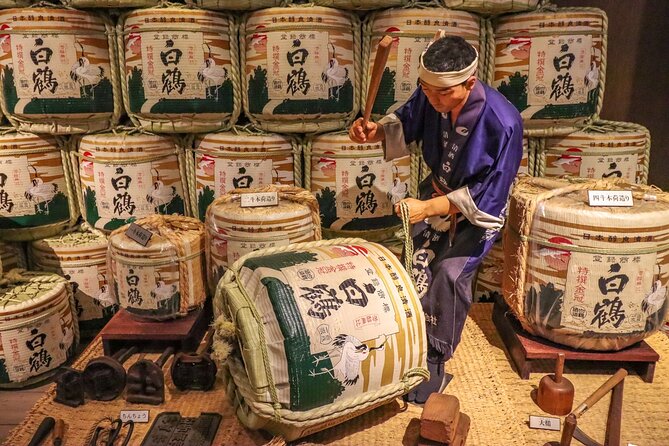
Kobe’s sake scene isn’t random. It’s tied to Nada, a long-famous brewing area where the local mix of conditions helps make high-quality sake possible. You’ll hear that Nada’s sake production accounts for about 30% of Japan’s total, and that the location, climate, rice quality, and water all matter.
This tour is smart because it doesn’t treat sake like a drink-only thing. You’re learning why the brewing region matters, then connecting that to the flavors you can actually taste and to the cooking ingredients you’ll recognize later.
The best part for me is that sake becomes food culture, not just alcohol. You start seeing how breweries connect to what people buy and cook, especially once mirin and pickles enter the conversation.
You can also read our reviews of more tours and experiences in Kobe.
Price and value: what you’re really paying for
At $83.56 per person for a private tour, this isn’t trying to be the cheapest option in Kobe. The value comes from two places: you’re paying for a guide (and their time) and you’re getting access to multiple sake-focused stops in one half-day plan.
A key detail: the tour notes that estimated tour costs are around 530 JPY per person for transportation, and that entrance fees and meal costs aren’t included in that basic estimate. It also lists the Hakutsuru Sake Brewery Museum entrance fee as ¥530. In plain terms, expect to budget for at least the museum admission and some transit costs on top of the tour price.
What makes the price feel fair is the structure. You’re not trying to “DIY” a half-day of brewing history, tasting, and food-culture learning while also solving meeting-point logistics across stations. You get a guide to route you, explain the process in context, and keep the stops timed to about 40 minutes, 40 minutes, 30 minutes, and 30 minutes.
How the 4½-hour private format changes the experience
This is a private tour/activity, meaning only your group participates. That matters more than it sounds, because sake brewing questions are often specific. If you want to know why something is fermented the way it is, or what makes a region famous, private time helps you get answers instead of generic talking points.
You’ll also walk. The tour advises comfortable clothing because you’ll cover ground across multiple spots. And it’s set up as a half-day experience, so you’ll likely want to plan for the rest of your evening as flexible downtime.
One more practical note: the tour uses a mobile ticket, and the meeting location is near Kobe Sannomiya Station. The end point is different from the start point (it ends at Kobe-Sannomiya Station on a different numbered area). If you want an alternate ending spot, the guide should be told.
Stop 1: Hakutsuru Sake Brewery Museum and what you’ll learn fast
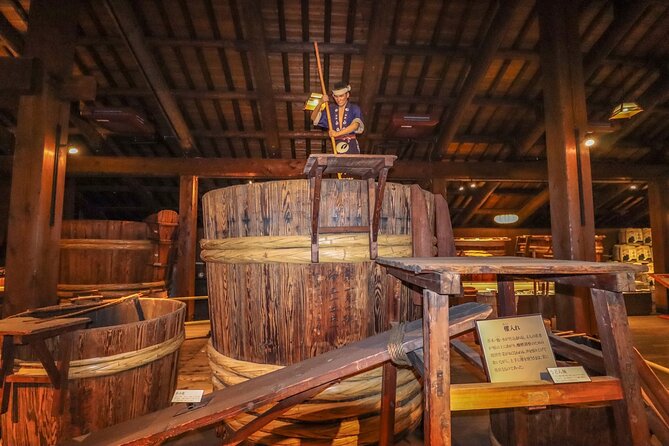
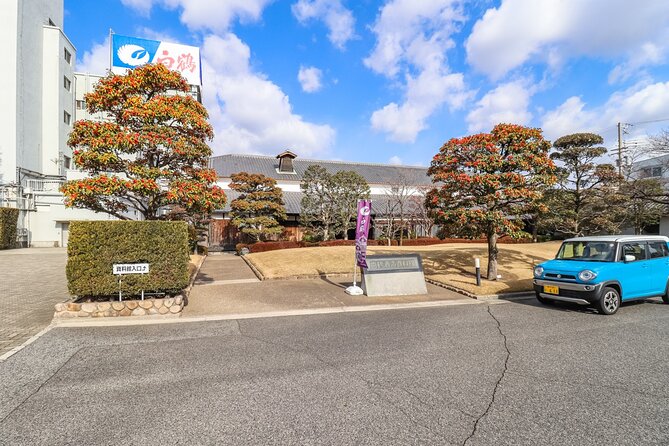
Your first stop is the Hakutsuru Sake Brewery Museum, a site built in the early Taisho era. Even if you’re not a museum person, this is one of the easiest places to get oriented because museums like this are designed to show processes in a way you can actually follow.
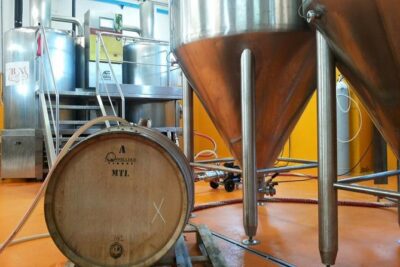
The tour focuses on the traditional sake brewing process and operations, so you’re not just tasting first. You’re building the mental model: what happens before the final drink exists, and how the brewing steps create the flavor profile you’re about to meet.
A big plus here is that you get sake tasting at this museum. The tour summary specifically calls out tasting at Hakutsuru, and at least one stop is explicitly designed to make that part feel connected to what you’re seeing.
Heads-up for your budget: entrance fees are noted as ¥530 for the Hakutsuru museum in the tour details. Some parts of the information list admission as free, so treat it as “check your confirmation” and plan for the most conservative possibility.
Stop 2: Kobe Shushinkan and the Fukuju Nobel Prize connection
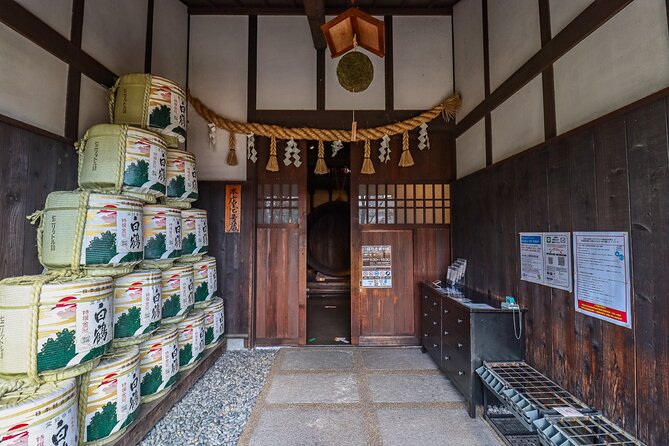
Next up is Kobe Shushinkan, a brewery that’s been running for about 250 years, reaching back to the Edo period. That kind of longevity changes how a brewery feels. It isn’t a pop-up attraction; it’s part of a working tradition.
Here’s the marketing hook that also becomes a real learning point: Shushinkan produces Fukuju, a sake served at Nobel Prize dinners. That fact does more than sound fancy. It gives you a reason to pay attention when you’re shown how the brewery operates and why certain methods and regional inputs matter.
This stop tends to be a highlight because it connects “history” to “quality.” You’ll hear about how sake has been brewed in Nada since the Edo period and how that tradition connects to the local conditions that help brewing succeed.
Another thing I’d watch for in this segment is your guide’s explanations of process. In successful outings, guides such as Norio are described as taking guests through different steps of making sake and explaining why Kobe still produces what it produces today. If your guide has that teaching style, you’ll get more than surface details.
Stop 3: Konan Muko no Sato and why mirin matters
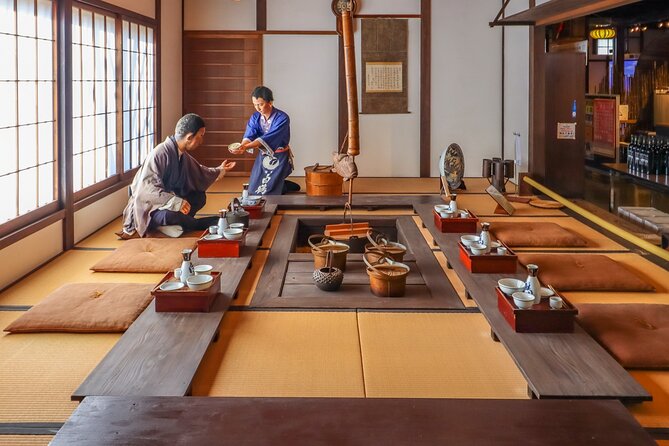
Then you move to Konan Muko no Sato, a spot specializing in pickles and mirin. Mirin is the sweet cooking rice wine that shows up constantly in Japanese kitchens. Even if you don’t cook much at home, you’ll start recognizing it in the flavor language behind dishes.
The tour specifically frames mirin as something made from the same raw materials as sake. That’s a useful concept. It means you’re not learning a random side ingredient. You’re learning how variations in fermentation and preparation turn one set of inputs into different culinary results.
The shop focus on pickles also matters. Pickles are where Japanese acidity and fermentation flavors feel practical, not just theoretical. You can taste or see products in a way that reinforces what you learned earlier about fermentation.
This is also the stop that can feel most useful for take-home value. By the time you reach Konan Muko no Sato, you’ll have a better chance of understanding what you’re buying, and why a bottle or jar belongs in a pantry.
Stop 4: A historic shopping street stop you can actually enjoy
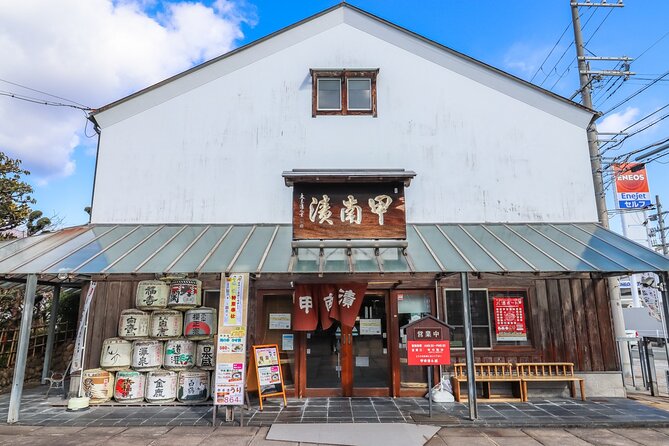
To finish, the tour brings you into Kobe’s street-food energy with a shopping-street visit at Oyasutei Ichiba Shopping Street, a market street with a history over 100 years. The description notes it’s said to be the oldest shopping street in Kobe, and that long-established stores have operated there since the postwar period.
This is a good way to close a sake-and-food culture tour, because it keeps the day from turning into only “factory tour mode.” You get to shift from brewing explanations to real-world browsing: local shops, longtime vendors, and a sense of how people move through everyday buying.
Practical tip: the tour warns that some spots don’t accept credit cards, so bring cash. That’s especially relevant here because shopping streets are exactly where you may want to make a quick purchase.
Also, since your tour can swap locations due to closures or weather, plan to stay flexible. You might not see every single shop front, but the goal is the same: understand Kobe’s local retail culture and connect it back to the food and drink themes from the morning.
Tasting reality check: rules, expectations, and good habits
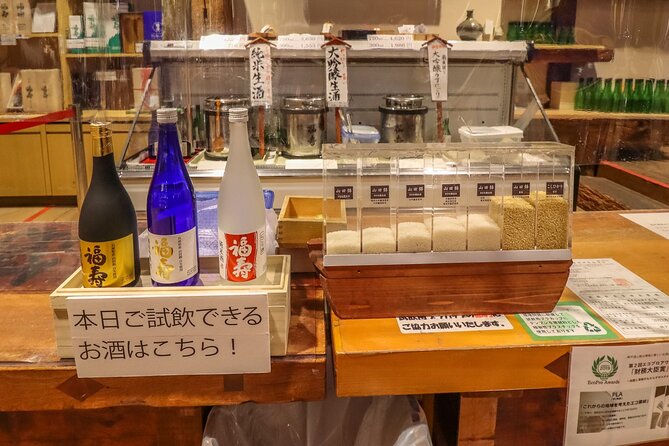
This is a sake tasting tour, but it’s not described as a drinking binge. It’s built around learning, with tasting as one part of the process. That’s good if you want cultural context more than party vibes.
You should also know the tour notes a clear rule: under age 20 are not allowed to drink in Japan. If you’re traveling with younger people, this matters for how you plan your group expectations.
Because some costs aren’t included, I also suggest you bring a little extra cash for snacks or small purchases near the shops. The tour notes meal costs as not included, and it doesn’t include a dining spot. You’ll want to eat before or after.
Finally, pace matters. This plan runs about 4 hours 30 minutes, and it includes multiple stops with defined time blocks. If you’re the type who likes to linger, you may feel a little time pressure in between explanations. On the other hand, the timed structure is also what makes this tour efficient.
Guides can make or break the day
One reason this tour scores high is guide quality. Some of the strongest feedback centers on guides like Tomoko, described as fun and extremely knowledgeable about Kobe, with an effort level that makes people feel taken care of. Another highly rated experience credits Norio with strong knowledge and clear explanations through the steps of making sake.
There’s also a caution worth taking seriously: one rating was less positive, citing that the guide didn’t have enthusiasm for sake, which affected the overall experience. Translation: pick this tour for learning and ask yourself what you want from the guide’s tone. If you want deep explanation and a lively pace, the guide can be the difference.
If your confirmation shows the guide’s name, I’d treat that as part of your decision.
Who should book this Kobe sake and Japanese life tour
This tour is a good match if you:
- Want a guided introduction to sake brewing tied to real places in Kobe
- Like food culture that connects to ingredients (especially mirin and pickles)
- Prefer a walking plan that stays in the city instead of long drives
- Enjoy museums and production stories, not just tasting cups
It’s also a good fit for first-timers in Kobe who want a coherent half-day theme. You’ll start with brewing basics, move into a long-running brewery with a famous product, learn cooking-adjacent ingredients, and then end in a historic shopping street.
It may be less ideal if you’re expecting a heavy “food-only” market crawl. This is sake-first learning, with shopping as a supportive final act.
Should you book it? My call
I think you should book this tour if you want a practical, guided way to understand why Kobe makes sake that matters, and how that knowledge connects to Japanese everyday flavors. The tasting at Hakutsuru, the long-running brewery stop at Kobe Shushinkan tied to Fukuju and Nobel Prize dinners, and the ingredient lessons at Konan Muko no Sato form a clear storyline.
But I’d be honest with you: you’re paying for a guide and a structured route. So if you’re the kind of traveler who needs lots of free time, or you only care about shopping, you might feel a bit boxed in.
If you want learning that leads to smarter buying, better tasting, and more context for what you see around Kobe, this is a strong choice.
FAQ
How long is the Kobe sake brewery and Japanese life tour?
The tour runs about 4 hours 30 minutes.
What does the tour include?
It’s a private tour with a tour guide. The tour also covers the necessary expenses for the guide during the tour.
Is sake tasting included?
Yes. The tour plan includes sake tasting at the Hakutsuru Sake Brewery Museum.
Are food and transport costs included?
The tour notes that transportation costs are estimated at 530 JPY per person, and that meal costs are not included. The tour also says any food and drink costs at visited spots are borne by the customer.
Do I need cash?
Yes. The tour notes that some spots don’t accept credit cards, so it’s smart to bring cash.
Can I cancel for a full refund?
Yes. You can cancel up to 24 hours in advance for a full refund, based on the tour’s local time.
If you’d like, tell me your travel month and whether you’re traveling with anyone under 20, and I’ll help you plan the rest of the day around this half-day tour.