One tour turns Ghent into a beer map you can taste. You’ll walk between historic bars, learn what makes flavors different, and get Belgian chocolate pairings that make the beers easier to understand (and harder to stop sipping).
I especially love how the tour mixes beer education with real-world drinking culture. You start with a classic Blonde Belgian beer, then move through legendary local stops that explain why things taste like they do, not just what to call them.
One consideration: if you prefer quiet museums over social bar hopping, this is a lively, guide-led tasting route. You’ll be on your feet for about three hours, with multiple short tastings rather than one long sit-down meal.
In This Review
- Key highlights you should care about
- How this Ghent beer-and-chocolate tour feels in real life
- Stop-by-stop: what you’ll actually do (and what you’ll learn)
- 1) Starting in Ghent city center with a Blonde Belgian beer
- 2) A Ghent walk between bars: sights plus story time
- 3) A centuries-old bar for jenever: the spirit that predates gin
- 4) The 300+ beer bar: learn two local styles with chocolate pairings
- 5) The Trappist compare: young vs vintage, side by side
- 6) The Tripel finale with a beer quiz and local advice
- Why the pairing approach works (and why it’s not just dessert)
- Price and value: what $88.76 buys you in Ghent
- The practical stuff you’ll thank yourself for
- Who this tour suits best
- Should you book this Ghent brewery and chocolate pairing tour?
- FAQ
- How long is the Ghent brewery and beer tasting tour?
- What is the price per person?
- Is the tour available in English?
- Where do you meet, and where does it end?
- How big is the group?
- Can I cancel for a refund?
Key highlights you should care about
- Stops in multiple styles: Blonde Belgian, Jenever, and both young and vintage Trappist tastings
- Chocolate pairings built into each bar so you taste beer and sweets as a system, not as add-ons
- Ghent walking time with local stories and photo pauses by the river
- A 300+ beer bar moment focused on styles most people skip without guidance
- Trappist aging comparisons that show how time changes flavor, not just potency
- A playful finale with a Tripel tasting plus a beer quiz and local recommendations
How this Ghent beer-and-chocolate tour feels in real life
If you like your travel plans to include actual taste buds, this tour is made for you. In about three hours, you get a structured route through Ghent’s bar culture, with just enough walking to see the city and just enough time in each stop to pay attention.
The experience is built around a simple idea: Belgian beer is easier to understand when you know what drives bitterness, sourness, sweetness, and aroma. The guide keeps things conversational. It never feels like a classroom. And the chocolate pairings help you catch differences fast, even if you are not a self-proclaimed beer nerd.
Best of all, the route doesn’t just chase beer. You also get city context. Between tastings you walk through Ghent with stories, photo stops near the river, and a sense of where local traditions fit into everyday life.
You can also read our reviews of more tours and experiences in Ghent.

Stop-by-stop: what you’ll actually do (and what you’ll learn)
1) Starting in Ghent city center with a Blonde Belgian beer
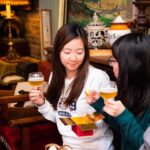
Your first stop puts you in the middle of the action, in a lively brewery setting. You kick off with a Blonde Belgian-style beer, the kind of beer that can sound simple until you learn why it tastes the way it does.
What makes this start valuable is the focus on the brewing process and where flavor comes from. The guide explains how different elements lead to what you’ll notice in the glass, like bitter notes, sour edges, or sweet impressions. That means your tasting stops later won’t feel random. You’ll be picking up patterns.
You’ll also get the first round of food pairing, tied to local delicacies and a connection to Belgian chocolates. This is where the tour quietly trains your palate: you learn how chocolate sweetness and beer character can amplify or soften each other.
2) A Ghent walk between bars: sights plus story time
After the first tasting, you head out to explore Ghent itself. The walking portion matters because it keeps the tour from feeling like a string of identical bar stops.
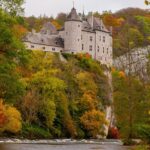
You’ll cover ground through areas most people wouldn’t naturally plan as a single beer route. Along the way, the guide shares local stories, which turns the scenery into something you can picture later. There’s also a pause for group photos by Ghent’s iconic river, so you leave with both flavors and images.
This segment is short but useful. It also helps you pace the tasting, so the later stops hit better rather than feeling rushed.
3) A centuries-old bar for jenever: the spirit that predates gin
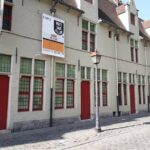
Next comes a more cultural stop in a centuries-old bar run by a legendary local figure. Here, you taste jenever, a spirit that predates gin and helped shape local café culture.
This part is memorable because you get the background behind the drink. The tour explains how jenever was once seen as safer than water, which adds real historical weight to something that could otherwise feel like a quick shot. When you know the story, the taste lands differently.
It’s a short stop, but it’s one of those moments that makes you feel you understand the city beyond beer. Ghent has a rhythm, and jenever is part of it.

4) The 300+ beer bar: learn two local styles with chocolate pairings
Then you hit the kind of bar that makes beer people smile immediately: a place with over 300 Belgian beers. It can be overwhelming on your own. This is where the guide earns their keep.
You taste two special local beer styles that most visitors would not pick without help. The guide also gives tasting notes so you know what to look for while you sip. You’re not just trying random pours. You’re learning what makes these styles distinct.
Chocolate stays in the story. Each beer is paired with chocolate or another surprising local sweet, and the guide connects the pairing to the beer’s character. That makes the tasting practical: you learn what flavors to look for later when you order a similar beer in a café.
The stop also includes beer legends, including the coppern cool ship concept and the Ghentian dragon story. Even if you forget every detail, you’ll remember the feeling: this bar is part folklore, part flavor lab.
5) The Trappist compare: young vs vintage, side by side
Next is where the tour gets extra interesting for anyone who thinks beer is only about hops and foam. You step into a cosy hidden-in-plain-sight bar with a vibe like a family living room. The tone matters here. It makes the tasting calmer and more focused.
You compare a young Trappist beer to a vintage Trappist beer. That side-by-side format is the best way to understand beer aging because you can directly taste what time changes. The guide explains why Trappist beers are special and shares the surprising secrets behind monastery brewing.
This stop often changes how people think about beer because it reframes the idea of aging. It’s not just stronger alcohol. It’s flavor evolution: how aromas shift, how sweetness develops, and how bitterness can mellow or transform.
If you’re the kind of traveler who likes thoughtful food experiences rather than just sampling, this is your highlight.
6) The Tripel finale with a beer quiz and local advice
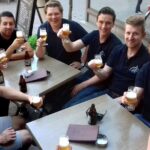
You wrap up in a warm, tucked-away local bar. The finale is a full-bodied Belgian Tripel paired with a local sweet delicacy. This combo is meant to feel satisfying, not heavy, so it works as a closing chapter.
Then you get a fun beer quiz, plus beer recommendations and local advice for planning around Ghent, Brussels, and Bruges. That last bit is practical. You get guidance for what to do next, not just a tasting you immediately forget.
By the time you finish, you’ve tasted a range of Belgian styles, learned how food pairings can steer your perception, and picked up a few smart ideas for continuing the trip.
Why the pairing approach works (and why it’s not just dessert)
A lot of food tours add chocolate at the end like a polite finish. This one builds it into the tasting sequence.
Chocolate pairings help you notice structure. If a beer leans toward bitterness, chocolate can soften the edges and bring out malt or fruit notes. If a beer feels more sour or sharp, sweetness can make the contrast clearer rather than masking it. And when you’re comparing beers across multiple stops, that clarity becomes a shortcut for learning.
Even better, the chocolate component gives you a second path into flavors. If you miss one nuance in the beer, the pairing often makes it obvious in the first few bites.
So while the tour is undeniably fun, it’s also a smart way to develop tasting skills without turning it into homework.
Price and value: what $88.76 buys you in Ghent
At $88.76 per person for about three hours, this isn’t a budget “just try one beer” experience. But the value is in three things.
First, you get multiple tastings across different categories: Blonde Belgian beer, jenever, two local beer styles at a massive 300+ beer bar, plus young and vintage Trappist, and a final Tripel. That’s a lot of guided pours.
Second, the tour includes food and chocolate pairings tied to each stop, so you are not paying just for alcohol. You’re paying for instruction, context, and better tasting decisions.
Third, the group size stays small, with a maximum of 15 people. That usually means the guide can keep the energy up and still give you enough attention to understand what you’re tasting.
If you want a simple walk-through of Ghent, buy a ticket for a museum and go. If you want a taste-driven education and a city plan all in one, this price starts to feel fair fast.
The practical stuff you’ll thank yourself for
This tour is in English and uses a mobile ticket, so you won’t be hunting for paper passes. It also runs near public transportation, which matters in Ghent because you’ll likely combine this with other sights.
Timing-wise, plan for roughly three hours on your afternoon. The route is paced with short stops, so you don’t feel stuck in one place too long, but you also don’t lose the thread between tastings.
The small group cap (15 people) is a quality marker. You’ll experience the route as a shared tasting moment rather than a rush of strangers.
Who this tour suits best
This is ideal if you want a guided beer experience that feels social and approachable. You’ll likely enjoy it if you:
- love Belgian beer (or want to learn fast without jargon)
- like food pairings and chocolate
- want to see Ghent while you’re drinking
- prefer a guide-led format over wandering into bars on your own
If you dislike alcohol tastings or want only one drink total, this probably isn’t the right fit. The structure assumes you’ll taste multiple items through the route.
Should you book this Ghent brewery and chocolate pairing tour?
If your trip includes Ghent and you want one activity that covers beer, local culture, and city flavor in a single afternoon, I’d book it. The combination of beer styles, chocolate pairings, and a small-group pace makes it feel like more than a “drinks tour.”
You should consider skipping if you hate guided activities, want a quiet setting, or you’re avoiding tasting multiple alcohol-based items. But for most travelers who want to understand Belgian beer in a fun way, this is one of the easiest wins in Ghent.
FAQ
How long is the Ghent brewery and beer tasting tour?
It runs for about 3 hours (approx.).
What is the price per person?
The price is $88.76 per person.
Is the tour available in English?
Yes, it is offered in English.
Where do you meet, and where does it end?
You start at Goudenleeuwplein 3, 9000 Gent, Belgium and end around Vrijdagmarkt, 9000 Gent, Belgium (within about 500m).
How big is the group?
The tour has a maximum of 15 travelers.
Can I cancel for a refund?
Yes. You can cancel for a full refund if you cancel at least 24 hours before the experience starts. If you cancel less than 24 hours before, the amount paid is not refunded.