REVIEW · ROME
Agricultural Brewery Tour in the Roman Countryside
Book on Viator →Operated by Vinebliss Trip · Bookable on Viator
Beer starts on a farm, not in a bar. This agricultural brewery tour at Podere 676 takes you through the full beer chain, from barley and hops plantations to the brewery steps from cooking to bottling, ending with a tasting in their tap room. I especially like seeing where the ingredients come from and finishing with beer you tasted on the ground-to-glass story.
One thing to plan around: the tour requires good weather, since you’ll be outside on the farm portion. If it’s a rainy day, your schedule can shift or you’ll get a full refund.
In This Review
- Why Podere 676’s beer tour feels different
- The 4-hour plan: fields, brewery steps, and a tap room finish
- Barley and hops plantations: where your beer story begins
- Inside the brewery: from cooking to bottling
- Beer tasting in the tap room: make it more than a sip
- The people factor: family warmth and professional brewing
- Price and what you’re really paying for ($57.32)
- Getting there from Rome: plan for an easy route near transit
- Should you pack for outdoors and brewing?
- Who this tour fits best
- Book or skip: my call on Podere 676
- FAQ
- Where is the meeting point for the Podere 676 agricultural brewery tour?
- What time does the tour start and how long does it last?
- How much does the tour cost?
- Do I get a mobile ticket?
- Is the tour dependent on weather?
- How big is the group?
Why Podere 676’s beer tour feels different
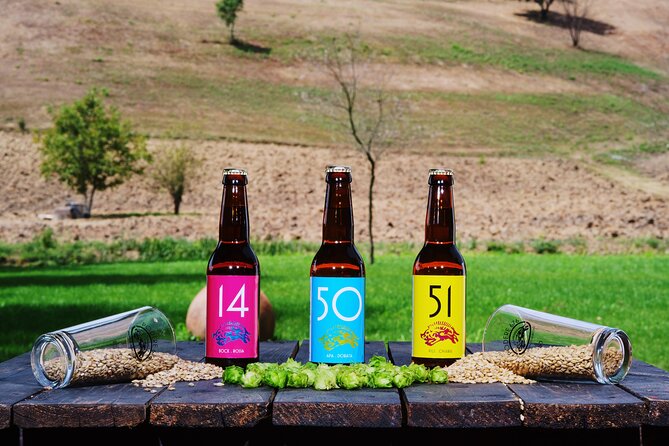
Rome is great for ruins and romance, but this is a different angle: working agriculture plus a real brewing workflow, in the Roman countryside near Fiumicino. You’re not just watching a slideshow. You’re moving through a production chain that starts with the plants and ends in bottles.
I like that the experience is built around how beer is made, not just what beer is. The guide walks you through stages that connect the dots, from barley and hops in the fields to the brewery process from cooking through bottling.
It also has a human size. The group max is 50, so it feels manageable rather than chaotic. One host named Dmitry has been praised as a warm, perfect padrone di casa—so if your group gets that kind of hospitality, you’ll feel welcome without losing the professional craft.
The 4-hour plan: fields, brewery steps, and a tap room finish
The tour runs about 4 hours and starts at 11:00 am. It begins at Podere 676, Via Antonio Casetti, 30, 00054 Fiumicino RM, Italy, and ends back at the same meeting point. You’ll get a mobile ticket, so there’s no paper scramble.
Here’s the flow you can expect:
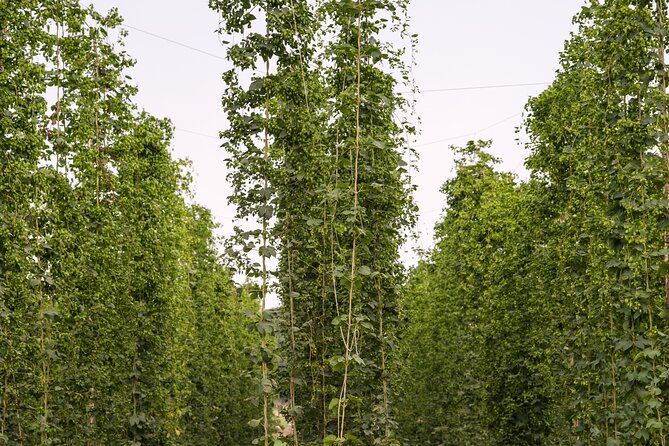
You start outdoors with the agricultural part. You’ll visit the barley and hops plantations first, and the focus is on how the ingredients are grown and how they feed into brewing later.
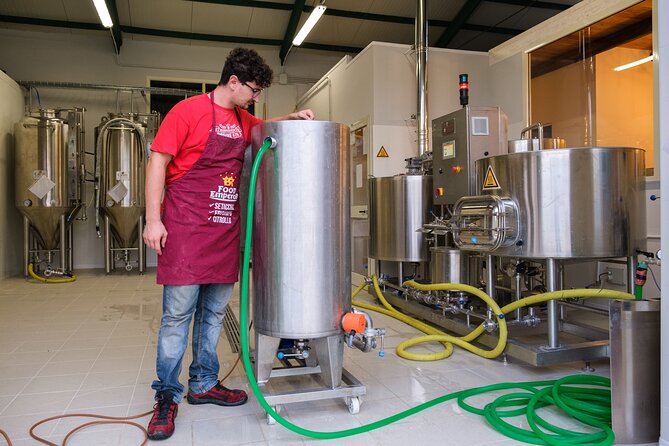
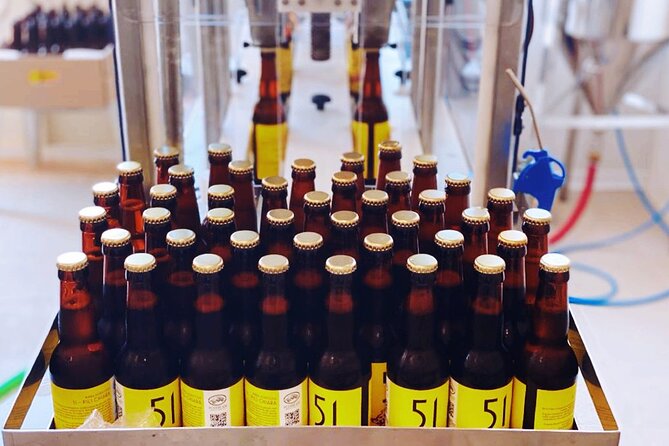
Then you move inside the brewery. The visit explains the key steps from cooking to bottling, with the emphasis on a clear, accurate production process rather than a vague overview.
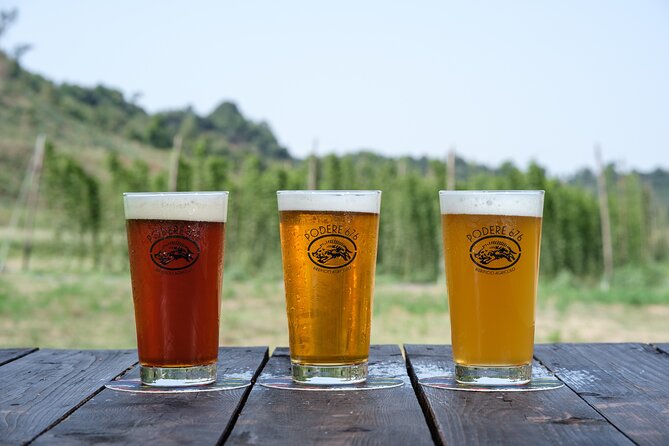
Finally, you wrap up in the tap room with a beer tasting. This is where the whole farm-to-glass idea clicks, because you’re tasting what you just learned about.
You can also read our reviews of more tours and experiences in Rome.
Barley and hops plantations: where your beer story begins
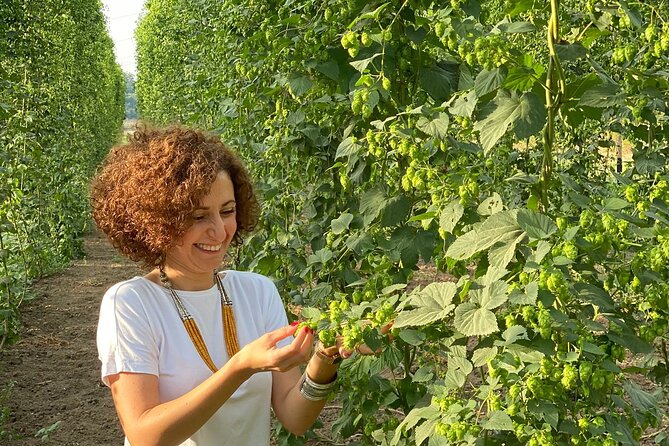
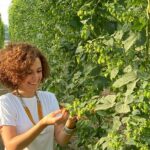
The tour begins with the plants, and that matters more than it sounds. Barley and hops aren’t just ingredients you buy; they’re living parts of the process. Walking the plantations gives you a practical sense of where quality starts and why brewing isn’t a magic trick.
Even if you’re not a beer nerd, this part is easy to follow. You’ll see the crops and learn how they connect to brewing, so when you’re later inside the brewery, the steps feel grounded.
I also like that it’s not only photos. You get real time with the farm environment, and that’s a nice break from Rome’s crowds. It’s still close enough to the city region to make sense as a half-day activity, but it feels like you’ve changed pace.
Inside the brewery: from cooking to bottling
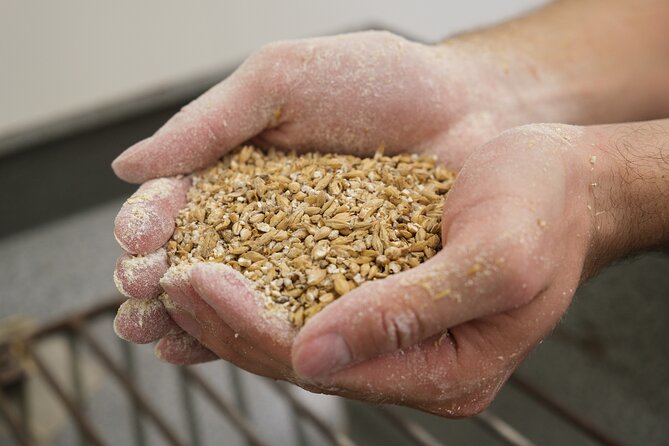
In the brewery, the focus stays on process. You’ll be shown the steps from cooking through bottling, explained accurately, so you understand what happens between raw materials and the finished beer.
This is the part where you can ask questions and get clarity. If you’ve ever wondered why beers taste different, this is where you can connect flavor to method. The tour doesn’t just label equipment—it explains the sequence.
One practical tip: pace yourself during this section. Brewing can involve lots of moving parts and terms, and it’s easy to tune out if you stand too long or don’t ask questions. If something sounds important, ask right then. You’ll remember it later when you taste.
Beer tasting in the tap room: make it more than a sip
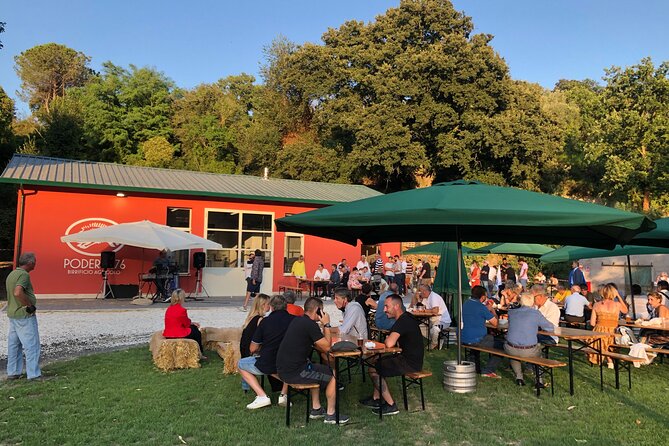
The end of the tour is a tasting in their tap room, and it’s the payoff. This is where you should slow down and pay attention. You’ll likely find it more enjoyable if you treat the tasting like a guided listening session: notice aroma, then flavor, then how the beer finishes.
This is also where the host-and-staff side shows up. The experience has been described as feeling at home but still professional, and that vibe helps people relax during tasting instead of feeling rushed or judged.
Some guests have also highlighted beer and food as a strong combo at the end of the visit. The tour description only guarantees the tasting, but if food is included on your day, plan for it. Come ready to enjoy more than just a quick pour.
The people factor: family warmth and professional brewing
A big part of what makes this tour work is the tone. Guests have talked about feeling welcomed in a family setting while still getting a professional, structured explanation of production.
That blend matters. It keeps the experience friendly, but it also means you’re not left with a random walk-through. The guide and staff are there to explain each stage and make sure you understand the beer chain as it moves from earth to bottle.
Dmitry is one specific name that’s stood out in the welcome department. If you meet him—or someone with the same hospitality style—you can expect clear communication and a genuine host feeling, not a scripted performance.


Price and what you’re really paying for ($57.32)
At $57.32 per person for about 4 hours, this isn’t priced like a short, generic attraction. It’s also not just a tasting-only stop. You’re paying for the full arc: farm visits to barley and hops, then the brewery production chain from cooking to bottling, then a tasting finish.
That’s the value here: you get multiple “layers” in one outing. If you like hands-on experiences and you’d rather learn by seeing than by reading, the price makes sense because you’re getting time, access, and explanation across the whole workflow.
Another subtle value point: the group size ceiling is 50. Smaller groups typically mean you can actually hear the guide and ask questions without feeling swallowed by the crowd.
Getting there from Rome: plan for an easy route near transit
The meeting point is Podere 676 in Fiumicino (Via Antonio Casetti, 30). The good news is that it’s near public transportation, which makes it easier to build into a Rome day plan without renting a car.
The less glamorous part: this is still a countryside stop. You’ll want comfy shoes and layers, because you’re outside for the farm portion and inside afterward.
Start time is 11:00 am, so it fits nicely as a late morning activity. And because it ends back where it starts, you avoid the stress of figuring out a different pickup point.
Should you pack for outdoors and brewing?
Because the experience requires good weather, plan for time outside even if the day feels mild. Bring a light jacket or something breathable, depending on season, and wear footwear that handles uneven ground.
Inside the brewery, you’ll be moving between points where you may want a clear view of equipment and process steps. If you normally travel with a small day bag, this is a good use case. Keep it simple and stay hands-free where possible.
Finally, pace yourself. Four hours can pass quickly on an interesting tour, but if you’re sensitive to crowds or long explanations, take small mental breaks during the production section.
Who this tour fits best
This one is ideal if you like agricultural experiences and you want beer education that’s practical. You’ll probably enjoy it most if you’re interested in the chain from crop to finished product rather than only tasting.
It also suits people who want a change of pace from classic Rome sights. Even though you’re in the Rome area, the vibe is farm working day plus a tasting room finish.
If you’re traveling with friends who have mixed interests, beer plus agriculture is a fair compromise. One person gets the brewing explanation, the other gets the countryside farm part.
Book or skip: my call on Podere 676
I’d book this if you want a farm-to-glass experience with real production steps and a tasting at the end. The structure is clear: barley and hops first, then cooking-to-bottling inside the brewery, then the tap room payoff. The price also feels fair for the time and access.
I’d think twice if your trip window is all rain-prone days, since the tour requires good weather. If weather gets bad, it may be rescheduled or refunded, so build flexibility into your plan.
If you’re ready to trade one more museum hour for something hands-on and local, this is a strong choice.
FAQ
Where is the meeting point for the Podere 676 agricultural brewery tour?
The tour starts at Podere 676, Via Antonio Casetti, 30, 00054 Fiumicino RM, Italy. It ends back at the meeting point.
What time does the tour start and how long does it last?
The start time is 11:00 am, and the duration is about 4 hours.
How much does the tour cost?
The price is $57.32 per person.
Do I get a mobile ticket?
Yes. This experience offers a mobile ticket.
Is the tour dependent on weather?
Yes, it requires good weather. If it’s canceled due to poor weather, you’ll be offered a different date or a full refund.
How big is the group?
The tour has a maximum of 50 travelers. Confirmation is received at the time of booking, and most travelers can participate.