REVIEW · SANTO DOMINGO
Santo Domingo Small Group Walking Tour: Beer and Specialty Coffee
Book on Viator →Operated by Xcape Tours · Bookable on Viator
Beer and coffee, plus real street-level history. This small group walk turns Santo Domingo’s Colonial Zone into something you can feel—cobblestones underfoot, big landmark stories, and stops that make early European life in the Americas make sense fast. You’ll cover major sights like the Catedral Primada de las Américas, Calle Las Damas, and the area around Columbus Park, all with a guide who keeps things human and easy to follow.
I love the food-and-drink rhythm. You start with a specialty drink choice (latte, cappuccino, tea, or hot chocolate), and you also get local beer plus a mama juana tasting. It breaks up the walking without turning the tour into a pub crawl.
One thing to consider: some major buildings can be closed for renovations or you may not enter on certain days. For example, the Alcázar de Colón and the Pantheon are currently outside-only, and Monday closures can affect museum access. You’ll still get explanations, but if you’re hoping for inside time at every stop, plan your expectations.
In This Review
- Key highlights
- Why the Colonial Zone Walk Works in Two Hours
- Starting at Casa Barista: Your Coffee Break Before the Stories
- Parque Colón: The Columbus Square You Can’t Miss
- Catedral Primada de América: Go Inside (When You Can)
- Calle Las Damas: The First Paved Road Moment
- Ozama Fortress and the Pantheon: Power and Memory in One Route
- The Sun Clock (Reloj de Sol) and Royal Houses Museum Context
- Plaza de la Hispanidad: Alcázar Views and a Place to Breathe
- Ruins and Old Hospitals: Ruinas de San Francisco and Hospital Saint Nicholas
- Alcázar de Colón: What You’ll See Now
- Mama Juana, Beer, and Your Specialty Drink Choices
- Price and Value: Is $59 a Good Deal?
- Practical Tips Before You Go
- Who Should Book This Tour (and Who Might Skip It)
- Should You Book This Santo Domingo Beer and Specialty Coffee Walk?
- FAQ
- How long is the Santo Domingo Small Group Walking Tour: Beer and Specialty Coffee?
- How big is the group?
- What drinks and tastings are included?
- Are museum and cathedral tickets included?
- What should I wear for the cathedral?
- Is the tour bilingual?
- What happens if museums are closed or buildings are under renovation?
- Is there a weather-related policy?
- Can I cancel and get a full refund?
Key highlights
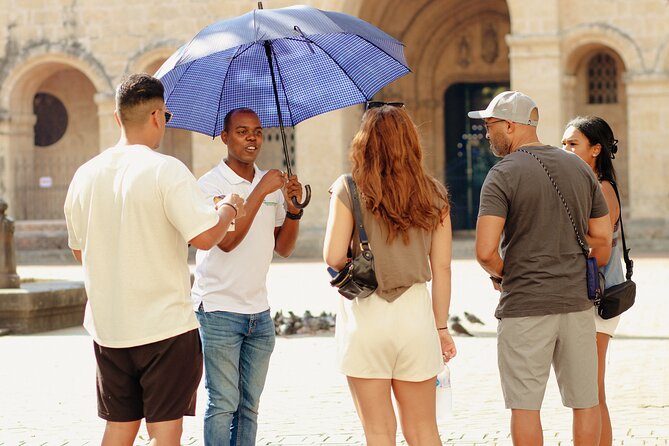
- Small group size (max 12) means you move at a comfortable pace and can ask questions.
- Coffee or tea first at the meeting point sets a relaxed tone for the walk.
- Landmark mix: churches, squares, ruins, and early Spanish fortifications around the Colonial Zone.
- Included tastes: local beer, bottled water, and a mama juana sample.
- Real-world access rules: some stops may be outside-only, and Mondays limit museum visits.
- Bilingual guide (English/Spanish) keeps the storytelling clear for everyone.
Why the Colonial Zone Walk Works in Two Hours
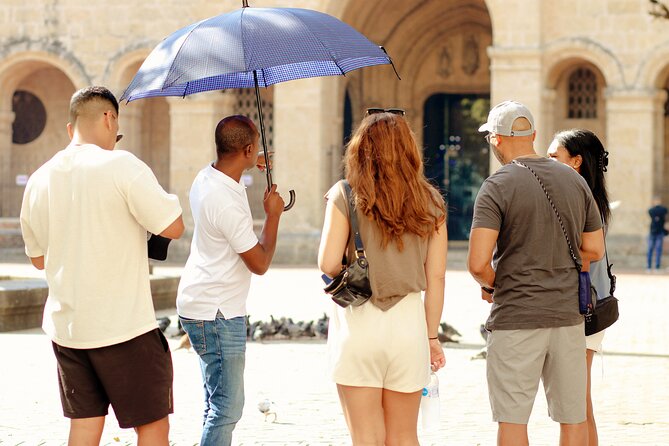
Santo Domingo can feel like a lot if you’re only doing it on your own. This tour gives you a clean route through the parts that matter most, without making you choose between history and food. You get a guided path that connects the dots: who built what, why it was built, and what it means today.
The pacing also helps. It’s long enough to see multiple “wow” stops—cathedral, colonial streets, parks, and museum interiors when open—but short enough that you’re not exhausted by the halfway point. And because it’s capped at 12 people, the guide can slow down for questions and still keep things moving.
Best of all, the walk format makes the city readable. You’re not just looking at buildings; you’re seeing how the streets, squares, and institutions line up around the Colonial Zone.
Starting at Casa Barista: Your Coffee Break Before the Stories
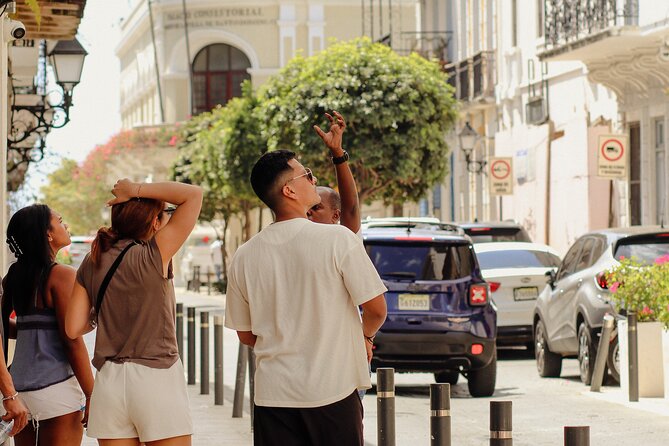
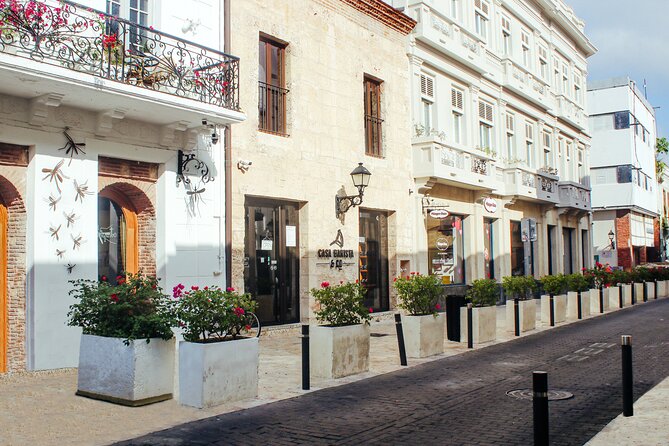
You meet at Casa Barista & Co., on Arzobispo Meriño 268. It’s a smart way to start because you get your specialty drink choice before you commit to the cobblestone part of the day: latte, cappuccino, tea, or hot chocolate.
That first stop does two practical things. It gets everyone together smoothly, and it also lets you settle your energy level. If you arrive slightly hungry or thirsty, you won’t feel behind right away.
Also, the tour is bilingual, so you can expect the guide to share information in both English and Spanish. That matters in a small group, because it reduces the awkward pauses when someone misses a key detail.
Parque Colón: The Columbus Square You Can’t Miss
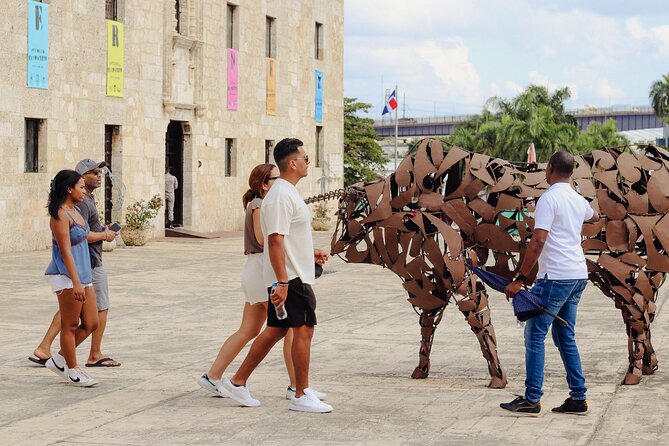
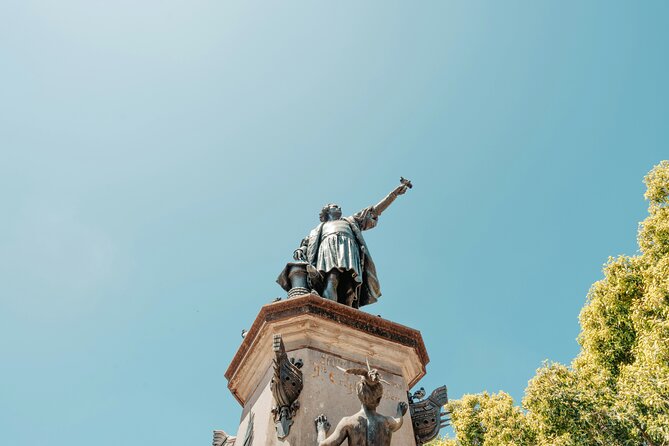
The first big landmark stop is Parque Colón, the central square in the historic district. Here you’ll find the statue of Christopher Columbus, and the square’s name traces back to 1887.
What I like about starting here is that it gives your brain a reference point. From the park, it’s easier to understand the rest of what you’ll see—especially when your guide starts tying together the Spanish presence, European construction, and the early layout of power in the city.
You won’t spend a ton of time here—about five minutes is planned—but it sets the stage for the more architectural stops that follow.
Catedral Primada de América: Go Inside (When You Can)
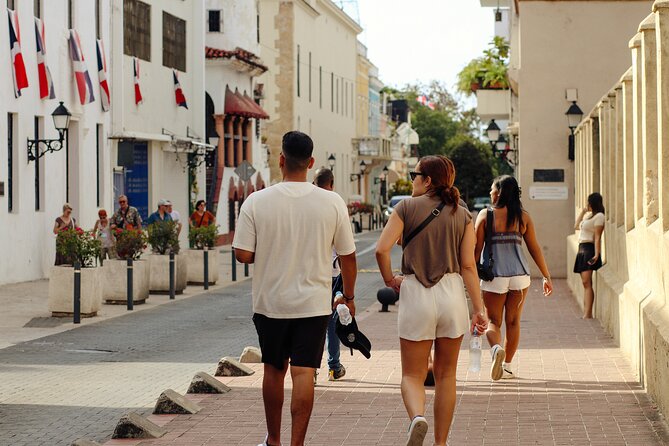
Next up is the Catedral Primada de las Américas de Santo Domingo. This is the first and oldest cathedral in the Americas, with construction beginning in 1504 and lasting 46 years. The cathedral is dedicated to St. Mary of the Incarnation.
This stop has two parts: the building itself, and the rules around entry. Tickets are included when the cathedral is open, but you’ll want to be ready for the dress code. Visitors must wear clothing that covers shoulders and knees. That’s not a small detail—bring a light layer if you think you might need one.
The best way to “get” this cathedral is to slow down during the interior moments and let the guide connect the architecture to the time period. If you only see it from the outside, you’ll miss what the tour is trying to teach. Still, even outside-only situations can be worth it if you care about context, since your guide will explain what you’d see inside and why it matters.
Calle Las Damas: The First Paved Road Moment
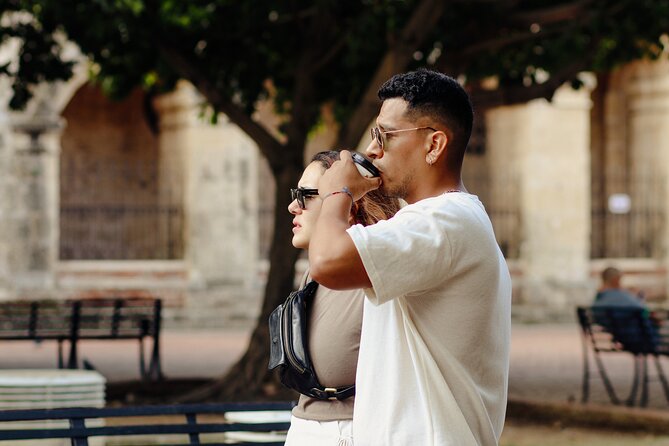
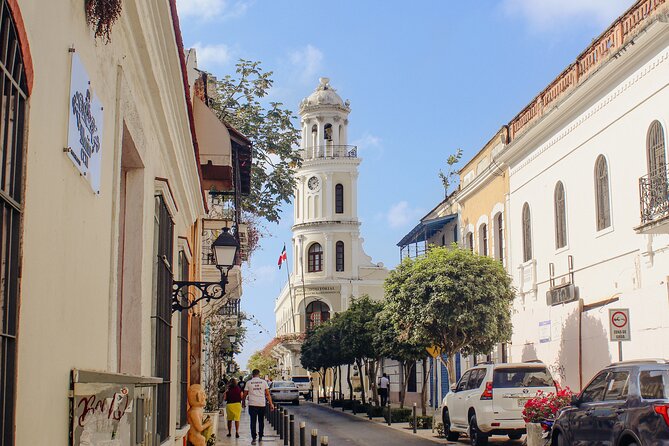
After the cathedral, you’ll walk to Calle Las Damas, sometimes called the street of the ladies. It’s described as the first paved road in the Americas, and the architecture dates back to the 16th century.
This street is narrow, and that’s part of the point. It’s the kind of place where you can’t help noticing how buildings lean in toward the street. Today, you’ll also find colonial-era structures that have been repurposed as museums and embassies, so the past isn’t just preserved—it’s working.
Plan for this being a slower-feeling stop than it looks on paper. Fifteen minutes is enough to take in the street character, but you’ll likely want a few extra seconds here and there to look up and around.
Ozama Fortress and the Pantheon: Power and Memory in One Route
The walk continues toward the Ozama Fortress. Built by the Spanish in the early 16th century, it’s described as the first permanent military structure in the Americas, marking the beginning of Spanish colonization in a more permanent form. The fortress is said to resemble a medieval castle.
This is where the tour shifts from “religious and civic” to “control and defense.” You’ll start to see how the city was designed to hold power in place.
Then comes the Pantheon of the Fatherland—an 18th-century Jesuit church and the national mausoleum of the Dominican Republic. It’s guarded by a presidential honor guard, and it houses the remains of Dominican heroes including Gregorio Luperón and Salomé Ureña.
One caution: the Pantheon is currently closed for renovations, so you’ll typically see it from the outside. The payoff is still real, because you’ll get the story and symbolism tied to the site without waiting through construction limits. Just don’t plan on inside time for this one.
The Sun Clock (Reloj de Sol) and Royal Houses Museum Context
A quick stop brings you to the Reloj de Sol, a stone clock about 12 feet tall that has been in front of the Royal Houses Museum since 1753. Government officials used it to keep track of time.
It sounds quirky, but it’s a useful clue for understanding how daily life worked in the colonial era. When you pair this with what you learn next, it turns into more than a photo stop.
The tour includes admission to the Museo de las Casas Reales (Museum of the Royal Houses), which is currently under maintenance. The museum is tied to the Spanish Governor’s Royal Court in the 16th century and provides an overview of Dominican Republic history from colonialism through independence from Spain in 1821.
If you visit on a Monday, note that museums are closed. Your tour may still share the relevant information, but it’s possible you won’t enter the museum that day. That’s why I consider this tour a “story + sights” experience rather than a “guaranteed museum access every day” plan.
Plaza de la Hispanidad: Alcázar Views and a Place to Breathe
At the end of Calle Las Damas, you’ll reach Plaza de la Hispanidad (also associated with Spain). It’s described as a charming esplanade in the heart of the Colonial City.
This is one of those stops that helps you reset. You’ll get a view angle toward the Alcázar de Colón palace and the broader sense of where everything sits in the neighborhood. Even if you’re not spending long here, the pause is helpful—your feet will thank you.
Plaza time also works as a mental checkpoint. After churches, streets, and forts, you need a small open area to absorb what you’ve learned.
Ruins and Old Hospitals: Ruinas de San Francisco and Hospital Saint Nicholas
Two of the most haunting stops are the ruins.
Ruinas de San Francisco are described as rustic walled ruins in the Colonial City and the first Franciscan monastery in the New World. The ruins have a complicated past, including damage from a fire, and they remain a visible reminder of how fragile early colonial projects were.
Then you’ll see Hospital Saint Nicholas of Bari. Built between 1503 and 1508 under Governor Nicolás de Ovando, it’s described as the oldest hospital in the Americas and served as a model for others. Today, it lies in ruins on the north side.
I like these stops because they add a human layer. Cathedrals and fortresses are obvious “big story” sites, sure. But hospitals and monasteries show what communities actually built to survive, care, and function.
They’re also quick stops, which keeps the tour moving. Still, if you’re someone who enjoys ruins and historical “what happened here” clues, these two are strong.
Alcázar de Colón: What You’ll See Now
The final landmark stop is Alcázar de Colón, described as the first European palace fortified in the Americas. It was constructed between 1510 and 1514, with a Gothic and Renaissance style mix. The site is recognized for being the only known residence of its kind tied to the Columbus legacy.
Currently, the Alcázar de Colón is closed for renovations, so you’ll see it from the outside. That could sound like a letdown, but it’s still worth it if you’re paying attention to the architecture cues your guide points out.
Think of it like this: you’re collecting the big shapes and design principles now. If you later return to Santo Domingo on your own, you’ll have a head start knowing what to look for.
Mama Juana, Beer, and Your Specialty Drink Choices
This tour doesn’t treat the drinking portion like an afterthought. It’s baked into the experience in three ways:
- Your included specialty drink (latte, cappuccino, tea, or hot chocolate) at the start. It’s the easiest “yes” item if you’re picky about coffee.
- A local beer tasting plus one bottled water. You get a chance to try local flavor without committing to a long pour-and-stay stop.
- A mama juana tasting (Dominican spiced rum). This is the signature Dominican drink most visitors hear about, and the tour gives you a structured taste instead of a random bar gamble.
I also like that this food-and-drink approach pairs with the walk itself. You’re not just drinking while standing still. You’re learning, walking, and tasting in small segments—so you don’t end the tour feeling overloaded.
Price and Value: Is $59 a Good Deal?
At $59 per person, you’re paying for four things you’d otherwise have to piece together yourself: a local guide, a small-group route, admission to at least one museum (and the cathedral when open), plus multiple included tastings.
For me, the value stands out because the tour is designed around effort and time saved. In a place like Santo Domingo, you’ll spend less energy figuring out which sights connect, and more time understanding why they were built and how they link to later independence and Dominican identity.
It’s also a good fit if you want “guided but not formal.” The vibe from the names people associate with guiding styles (like Paco and Jean Carlos) is described as friendly and calm, with room for questions and patience. And the tour can run as a private or near-private experience on quieter days, which makes the $59 feel even more fair.
The only real value risk is the access situation: Mondays and renovations can limit entry. But you’re still paying for the guided explanation and exterior viewing when interiors are unavailable.
Practical Tips Before You Go
Here’s how to make this walk feel easy, not stressful:
- Wear closed-toe shoes with grip. Colonial Zone cobblestones can be slick when wet.
- Bring a light layer for churches. The cathedral has specific dress rules—shoulders and knees covered—so plan accordingly.
- Pack a little patience for timing. The guide may rearrange the order of stops for the best experience.
- Check day-of conditions. The tour is weather dependent, and if poor weather forces a change, you’ll be offered a different date or a full refund.
- Expect outside viewing for some big-ticket sites like Alcázar de Colón and the Pantheon, since they’re currently closed for renovations.
If you’re the type who enjoys asking questions, this tour rewards that. The small group size helps, and the route gives you multiple windows for conversation.
Who Should Book This Tour (and Who Might Skip It)
Book this if you want a guided tour that mixes architecture, streets, and real Dominican tasting moments—without a long day or a cramped group.
This works especially well for:
- History lovers who want a fast route with clear explanations
- Food and drink fans who prefer included tastings over random snack hunting
- People visiting for a short time who still want the major Colonial Zone anchor points
- Anyone who likes walking but doesn’t want to plan the whole route alone
You might skip it if:
- You’re traveling on a Monday and your priority is museum and cathedral interior time every stop
- You’re deeply focused on only one or two specific buildings and you’d be disappointed by outside-only viewing at the Alcázar and Pantheon
Should You Book This Santo Domingo Beer and Specialty Coffee Walk?
I think you should, if your goal is to get oriented fast and taste Dominican flavors along the way. For $59, you’re not just buying tickets—you’re buying someone to connect the dots between a first European cathedral, the first paved street, military fortifications, and the city’s older institutions like the hospital.
The biggest reason to be confident: the tour is built around short, manageable stops and a small-group pace, with included drinks that keep the energy friendly. Add in bilingual guiding and the option for a more private feel on quiet days, and it’s a smart way to experience the Colonial Zone.
If you care most about inside access for every stop, keep flexibility in mind. But if you’re open to outside viewing when renovations hit, this walk is one of the most practical ways to spend a morning (or part of an afternoon) in Santo Domingo.
FAQ
How long is the Santo Domingo Small Group Walking Tour: Beer and Specialty Coffee?
The tour lasts about 2 hours.
How big is the group?
This experience has a maximum of 12 travelers.
What drinks and tastings are included?
You get 1 specialty drink of your choice (latte, cappuccino, tea, or hot chocolate), a local beer tasting plus one bottled water, and a mama juana tasting.
Are museum and cathedral tickets included?
Yes. Admission to the Museum of the Royal Houses and the Cathedral of Santa María la Menor is included, depending on their schedules. The tour notes that access can be affected by unexpected closures.
What should I wear for the cathedral?
Visitors to the cathedral must cover their shoulders and knees.
Is the tour bilingual?
Yes. The tour is bilingual, with information shared in English and Spanish.
What happens if museums are closed or buildings are under renovation?
Museums are closed on Mondays, so visits may not be possible that day. Also, the Alcázar de Colón and the Pantheon are currently closed for renovations, so you’ll see them from the outside. The guide will still share relevant information.
Is there a weather-related policy?
The tour requires good weather. If it’s canceled due to poor weather, you’ll be offered a different date or a full refund.
Can I cancel and get a full refund?
Yes. You can cancel for free up to 24 hours before the experience starts for a full refund. If you cancel less than 24 hours before, the amount paid is not refunded.