REVIEW · PUMMARE
Rome: Pasta and Gelato Cooking Class with Wine or Beer
Book on GetYourGuide →Operated by Insideat Cooking Class and Food Tour · Bookable on GetYourGuide
Fresh pasta and creamy gelato in Rome. In just 2 hours, you roll, cut, and cook fettuccine, then churn out gelato with an English-speaking chef guiding every step in a cozy, no-stress kitchen. I especially like how practical it feels, not like a demo: your hands are busy from the first minute, and the results end up on your plate.
The food is the main point, and one downside showed up in a review: the gelato experience can be a little underwhelming if you expected it to be mind-blowing every time. Still, the pasta side gets strong marks, and you do learn real technique instead of just tasting.
In This Review
- Quick key points to know before you go
- Starting at Pummarè Restaurant: how the class gets you cooking fast
- What you make in 2 hours: gelato and fettuccine, not just samples
- Gelato basics near the Vatican: what makes it different
- Pasta time: kneading, rolling, and cutting fettuccine like a real cook
- The human touch: guides, pace, and that little extra food while you wait
- Wine or soft drink: eating in a warm Roman kitchen
- Dietary needs and special cases: gluten-free and vegetarian options
- Who this class suits best (and who might not love it)
- Price and value: what you get for your money in Rome
- Should you book this pasta and gelato class near the Vatican?
- FAQ
- Where does the class meet?
- How early should I arrive?
- How long is the cooking class?
- Is the class taught in English?
- What will I make during the class?
- Is wine or beer included?
- Are dietary restrictions accommodated?
- Is the experience suitable for children?
- Is the experience wheelchair accessible?
Quick key points to know before you go
- Hands-on from start to finish with step-by-step guidance for shaping fettuccine and making gelato
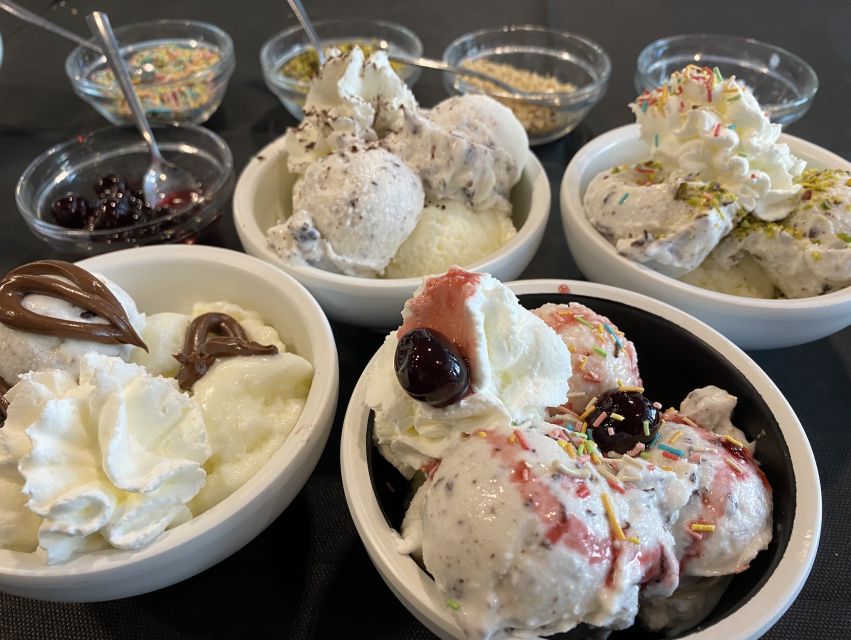
- Two gelato flavors from scratch, plus you can customize with toppings like a real gelato artist
- Fresh fettuccine dough work: knead, roll, and cut the way cooks do, using eggs and flour
- Gelato vs ice cream explained so you understand what you’re actually making
- Wine or a soft drink included as you relax and eat your creations together
- Dietary needs can be handled (vegan/vegetarian and gluten-free options are available)
Starting at Pummarè Restaurant: how the class gets you cooking fast
This class meets at Pummarè Restaurant, right above the Trionfale Food Market. Find it by going to the top of the stairs where you’ll spot graffiti. There’s also a taxi station right in front, which makes it easier to reach if you’re not walking from the Vatican area.
Plan to arrive 15 minutes early. That cushion matters here because you’ll settle in, meet your group, and get started without rushing. A calm start also helps when you’re learning food technique on the fly. And yes, you’ll want your energy: the class is built around eating what you make.
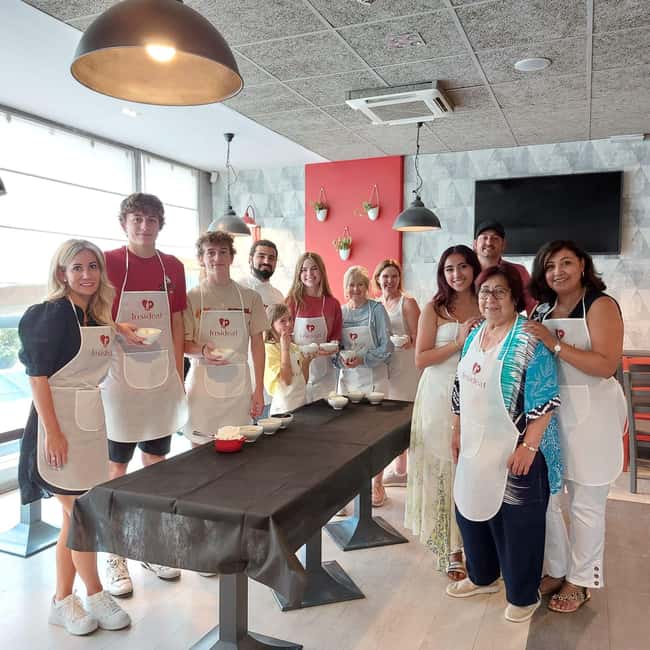
Once you’re inside, the mood is warm and friendly, the kind where even kitchen-shy people can keep up. The chef leads in English, and you’ll get plenty of prompts and guidance as you work.
What you make in 2 hours: gelato and fettuccine, not just samples
The structure is simple: you make gelato first, then shift to pasta while your gelato sets up. That timing is smart, because it keeps you moving and stops the class from feeling like one long wait.
Here’s the core of what you’ll produce:
- Two gelato flavors from scratch, finished to serve
- Handmade fettuccine shaped by you
- A classic Italian sauce that gets paired with your cooked pasta
- Wine or a soft drink with the meal
In other words, this isn’t a walk-through. You’re building both parts of the meal with your own hands—dough under your fingers, then gelato ingredients coming together into something creamy.
One detail worth noting: in at least one experience, some final cooking steps (and the final gelato handling) were done by the kitchen staff. That can sound like a compromise, but it often means your food comes out consistently. The best version of the experience still gives you the shaping, mixing, and technique learning so you leave with skills—not just a plate.
Gelato basics near the Vatican: what makes it different
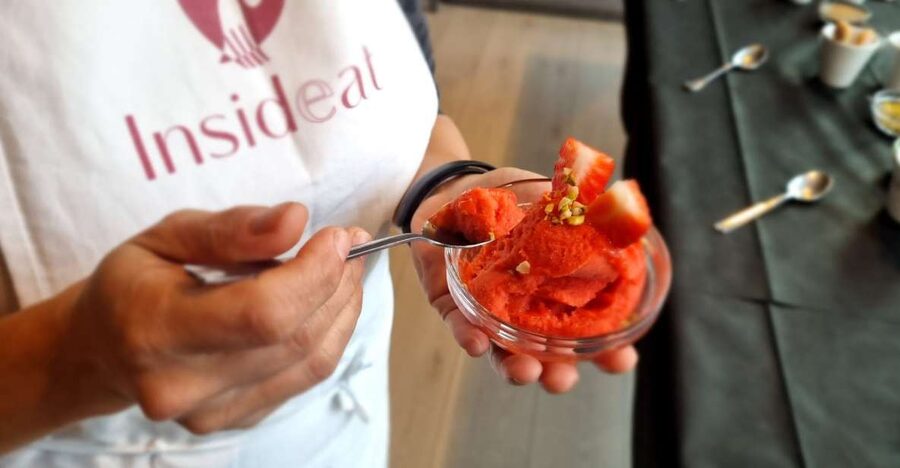
The gelato portion is designed to answer a question people often have: why does gelato taste so smooth and intense compared with standard ice cream?
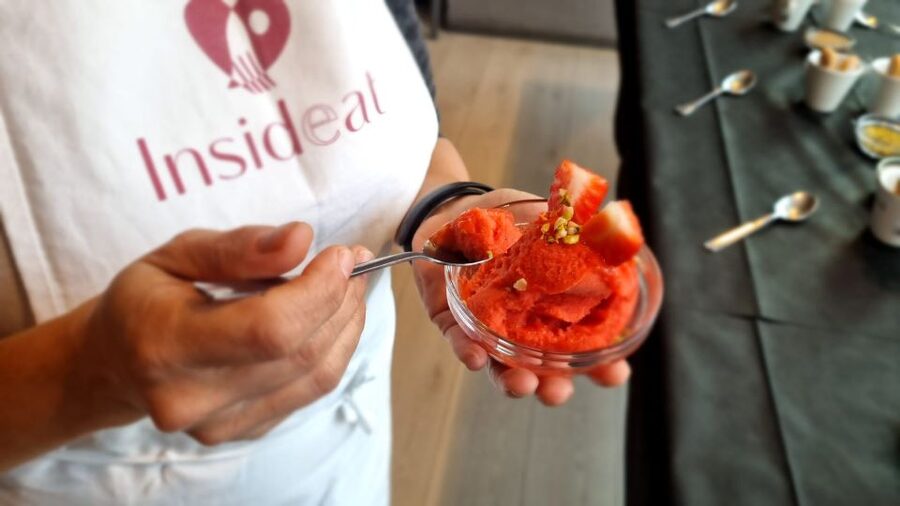
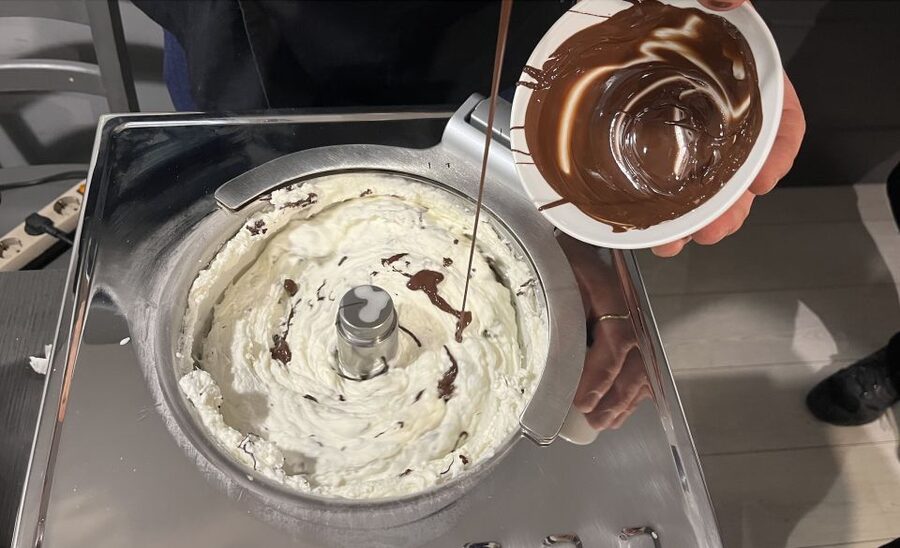
You’ll learn the difference as you go, then apply it. The chef walks you through preparing ingredients and making two gelato flavors. You also get to customize your creation with toppings, which is where the class turns from cooking into a bit of art. If you like experimenting—less sugar, more chocolate, fruit add-ons—this part lets you make choices instead of following one strict recipe.
A real-world example from a past class: one guest made plain and stracciatella (plain with melted chocolate). They felt the gelato was a little underwhelming compared with what they’d hoped from a gelato-focused class. That’s not a guarantee it will happen to you, but it’s a useful reminder: gelato can be heavily about the specific flavors you end up choosing, and personal preferences vary.
Even with that caution, this section still earns praise because you’re making it yourself, not just watching someone else do it.
Pasta time: kneading, rolling, and cutting fettuccine like a real cook
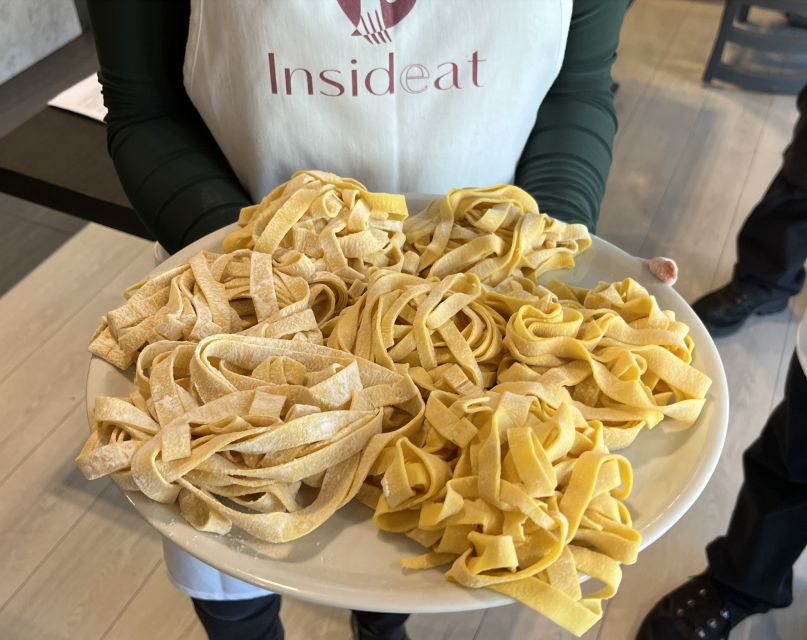
When your gelato is chilling, pasta takes over. This is the part most people remember, because it’s tactile and surprisingly satisfying.
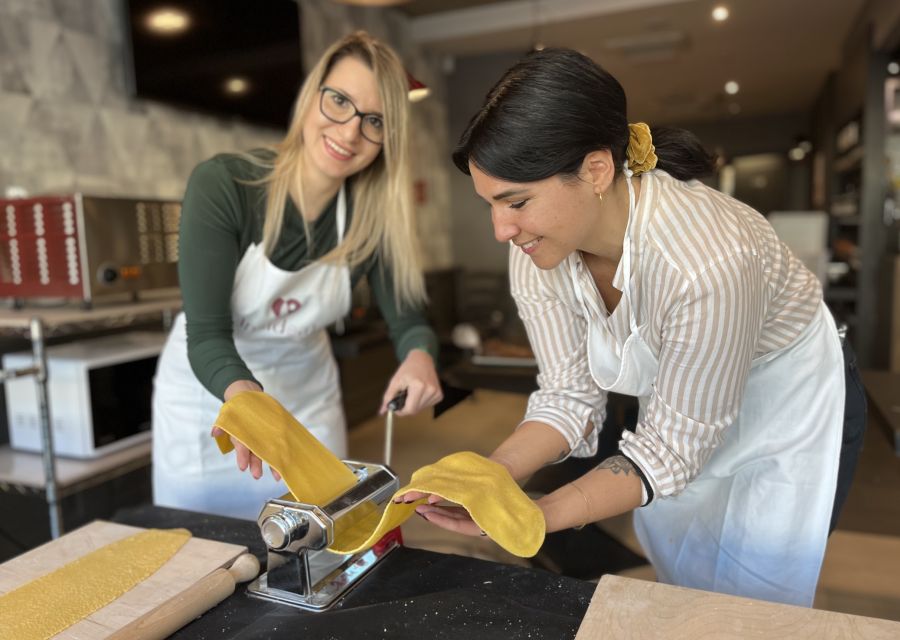
You’ll work with eggs and flour to make fresh pasta dough. Then you knead, roll, and cut into fettuccine using traditional technique. The point isn’t to make restaurant-perfect shapes in one go—it’s to learn the method: how dough feels when it’s right, how to handle it without getting overwhelmed, and how shaping affects the final texture.
One strong takeaway from prior guests: the pasta itself tends to land well. And when that happens, it’s because the class focuses on technique and timing. In other words, you’re not just doing random motions—you’re practicing what you can repeat at home.
A chef cooks your handmade pasta and dresses it with a classic Italian sauce, so you get the best of both worlds: hands-on preparation plus reliable results when it’s time to cook.
The human touch: guides, pace, and that little extra food while you wait
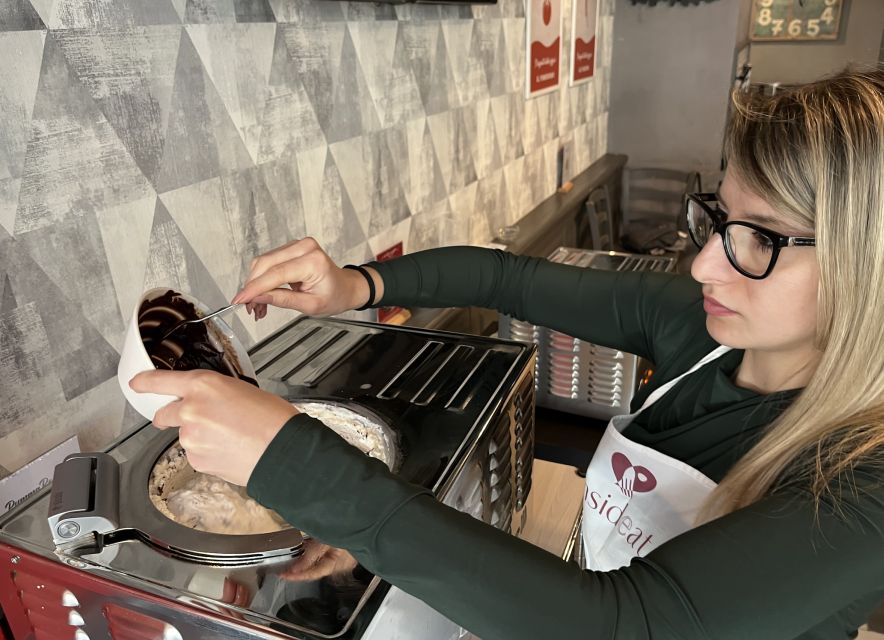
The class experience often comes down to the chef and how the kitchen handles timing. Here, you’ll find that guides are friendly and patient, and they explain things in an approachable way.
Two names come up in earlier experiences:
- Sonia, praised for being knowledgeable and lovely, with a warm teaching style
- Mateo, praised for being informative and making the lesson feel more than you expected
Pace matters too. If you’re imagining you’ll spend the whole time sitting and listening, adjust that expectation. The flow is active: gelato prep, then pasta prep, then cooking and eating.
And yes, you do get extra food while waiting in some cases. For example, one guest was served bruschetta while they were getting started. That’s a small detail, but it helps the class feel like a real meal experience rather than just a workshop.
Wine or soft drink: eating in a warm Roman kitchen
After the cooking, you get to relax and eat. You’ll enjoy what you made with a glass of wine or a soft drink, depending on what you choose and what’s available.
This matters because the class isn’t only about skills. It’s also about tasting Rome in a format that’s approachable: you create, you cook, then you sit down together. That back-and-forth makes the learning stick. It’s easier to remember what you did when you can compare it to how it tastes on the plate.
The setting is described as cozy, which helps if you’re traveling solo or going as a couple. It also tends to work for families and groups, especially because the chef style is patient and encouraging.
Dietary needs and special cases: gluten-free and vegetarian options
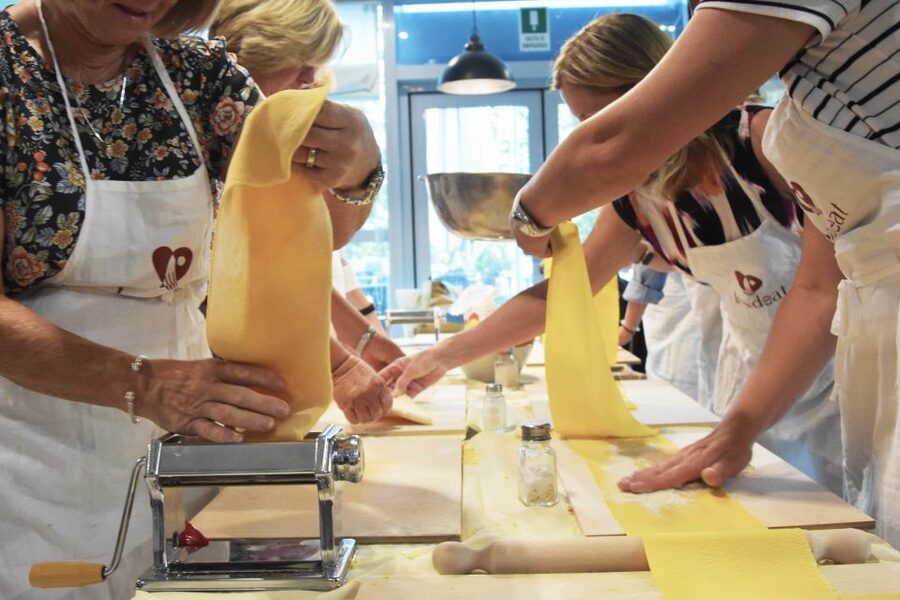
If you have dietary restrictions, this class is set up better than many “hands-on” experiences.
You’ll find:
- Vegan and vegetarian options are available
- Gluten-free options are available
- Vegetarian options are explicitly mentioned as available
One standout example: a guest with a celiac brother reported that gluten-free pasta was provided after their brother touched regular flour. They also received gluten-free crisps with a pinch of cheese as a snack. That’s encouraging because it suggests the kitchen is paying attention and can react when needed.
Still, the practical move is to tell the partner about your dietary requirements when you book. That gives the kitchen time to plan ingredients and avoid surprises. If you’re gluten-free or vegan, this is one of those experiences where communication really affects your comfort level.
Who this class suits best (and who might not love it)
This experience fits best if you want an active, skills-based meal in Rome.
You’ll likely enjoy it if:
- You want hands-on cooking, not just tasting
- You’re curious about making gelato and don’t mind learning the process
- You like learning dough technique and shaping
- You want a fun group activity that still feels personal
It may be less ideal if:
- You’re extremely picky about gelato flavors and have high expectations for a specific taste profile
- You only care about one half of the class (gelato or pasta). Here, both matter.
It’s also worth noting the class has a policy of no unaccompanied minors, and children must be with an adult. If you’re traveling with kids, that’s important for planning. On the plus side, at least one family noted that their boys had fun even if they typically don’t like cooking, which suggests the chef can adapt the pacing and tone.
Price and value: what you get for your money in Rome
I can’t tell you the exact price from the info here, but I can tell you how to judge the value.
This class offers strong value because you’re paying for:
- Two full culinary projects (gelato and fettuccine)
- Instruction in English
- Ingredients and guided technique
- A meal you eat (pasta with sauce plus gelato)
- Wine or a soft drink
- Take-home recipes and skills so the experience doesn’t end when you leave
In a city where cooking classes can be expensive for what turns out to be a short demo, this one stands out by keeping you involved. If you want one “food memory” in Rome that you can reproduce later, the take-home recipes and the dough/shaping technique make that more realistic.
If you’re on the fence, think in terms of whether you’d rather spend money on a single gelato tour or on learning how to make both dishes. This experience leans toward the second option.
Should you book this pasta and gelato class near the Vatican?
Book it if you want an active, friendly Rome cooking experience that teaches real technique and ends in a meal you made yourself. It’s a great choice for couples, small groups, and food-curious travelers who want something more hands-on than a typical sightseeing day.
I’d hesitate only if gelato is your one obsession and you’re worried the flavor you choose might not match your idea of perfect. The class can still be worthwhile because the pasta tends to satisfy, and you’ll learn the process either way.
If you do book, my quick advice is to:
- Come hungry (you’ll eat what you make)
- Share dietary needs clearly when booking
- Be ready to work with dough and follow the chef’s steps closely—your results improve fast once you get the feel
FAQ
Where does the class meet?
It meets at Pummarè Restaurant, above the Trionfale Food Market. You’ll find it at the top of the stairs with graffiti.
How early should I arrive?
Please arrive 15 minutes before the start time.
How long is the cooking class?
The experience lasts 2 hours.
Is the class taught in English?
Yes, the instructor teaches in English.
What will I make during the class?
You’ll make two gelato flavors and fresh fettuccine pasta, plus you’ll eat the pasta with a classic Italian sauce.
Is wine or beer included?
You can enjoy your creations with a glass of wine or a soft drink (beer is listed in the overall experience title, but soft drinks are explicitly mentioned in the tasting description).
Are dietary restrictions accommodated?
Yes. Vegan, vegetarian, and gluten-free options are available. Let the local partner know your dietary requirements at booking.
Is the experience suitable for children?
Children can attend but must be accompanied by an adult. Unaccompanied minors are not allowed.
Is the experience wheelchair accessible?
Yes, it is wheelchair accessible.