REVIEW · KYOTO
Kyoto Sake Brewery & Tasting Walking Tour
Book on Viator →Operated by MagicalTrip Inc. · Bookable on Viator
Kyoto Fushimi is where sake culture actually feels local. This 3-hour walking tour links the craft and history of Japanese sake with a real tasting along Fushimi’s brewery lanes, starting at Chushojima Station and ending near Fushimi-Momoyama Station. I especially like how the route mixes a museum introduction with hands-on tasting so you learn as you go.
I also like that you’re in a small group (max 7), which makes it easier to ask questions while you taste. The one thing to consider is the pace and volume of sampling: you’ll taste a lot of sake types, and if you prefer slower sips with lots of nuance, it can feel a bit intense, especially in summer heat.
In This Review
- Key things to know before you go
- Entering Kyoto’s sake world at Fushimi speed
- Is $98.82 really good value?
- Getting from station to station without wasting time
- The route in plain terms: museum, history stops, then tasting
- Stop 1: Gekkeikan Okura Sake Museum (about 30 minutes)
- A quick pass by Teradaya: Edo-era drama in brewery country
- Stop 2: Kappa Gallery (about 30 minutes, ticket included)
- The tasting bar session: where your palate learns to speak
- What makes the guides matter (and who you might learn from)
- Pacing and comfort: when the tour feels perfect vs too much
- Tips to make your sake tasting smarter (not just stronger)
- Should you book this Kyoto Sake Brewery & Tasting Walking Tour?
- FAQ
- How long is the Kyoto Sake Brewery & Tasting Walking Tour?
- Where does the tour start and end?
- What is included in the tour price?
- How many sakes will I taste?
- Is this a small-group tour?
- Is the tour suitable for people under 20?
- Can I buy extra food or drinks during the tour?
- Is the tour accessible for mobility issues?
- What should I bring for the tour in summer?
- What is the cancellation policy?
Key things to know before you go
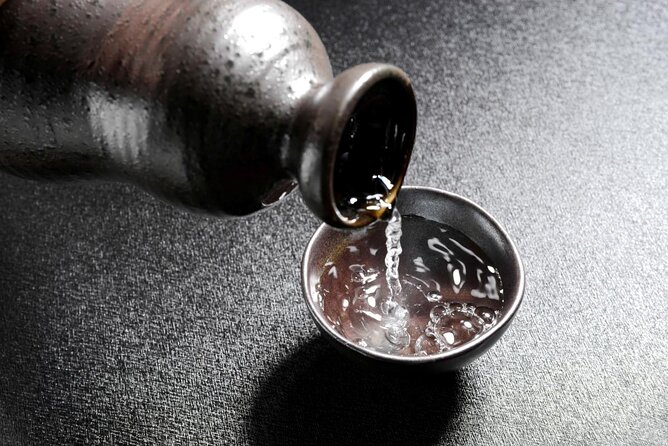
- 18 kinds of sake (and sometimes more): a serious tasting set, not a token sip.
- Museum first, then tasting: you learn what to look for before you start judging flavors.
- Small group size: capped at 7 travelers for better back-and-forth with your certified guide.
- Fushimi brewery district walking: you get context by moving through the area instead of staying put.
- Photos included: you don’t have to worry about documenting every stop.
- Weather and walking pace matter: it’s not designed for mobility limitations.
Entering Kyoto’s sake world at Fushimi speed
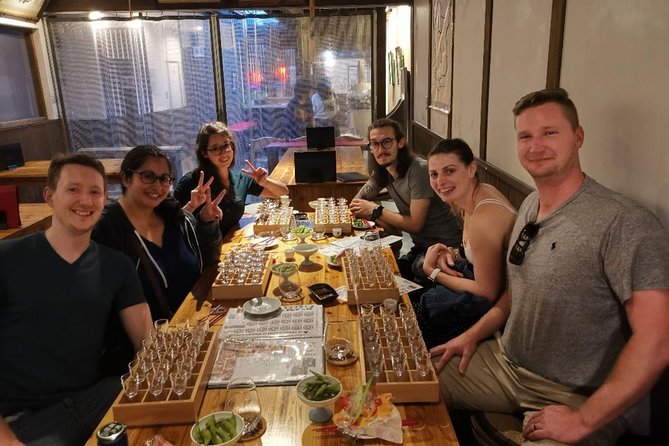
If you love Kyoto but find the city can feel like a checklist, this tour is a smarter way to spend a half-day. Fushimi is the sake heartland, and the experience works because you’re not just reading about fermentation or polishing a label. You’re pairing stories with what’s in your cup.
You start in Fushimi, guided from the transit hub at Chushojima Station. Then you walk through the brewery area, hitting two short stops that add flavor to the story, and ending with a larger tasting session at a local bar/restaurant setting. It’s an efficient format: you get history, technique, and tasting in one continuous block.
The tour runs about 3 hours. That’s long enough to feel like you made progress, and short enough that you don’t lose the rest of your day to commuting or slow group logistics. You’ll also get a mobile ticket, and photos are handled during the tour, which is handy if you’d rather focus on learning than fiddling with your phone.
You can also read our reviews of more tours and experiences in Kyoto.

Is $98.82 really good value?
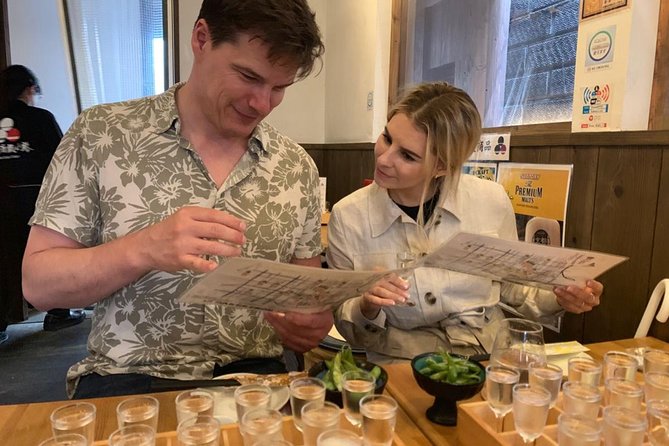
At $98.82 per person, you’re paying for three things at once: an organized route, included museum admission, and a substantial tasting set. The math starts to look better when you compare what you’d otherwise do on your own: find the right museum, coordinate a brewery-area walk, and then pay separately for tastings that teach you how to taste.
Here’s what’s clearly included:
- Sake tasting set (18 kinds at the sake restaurant)
- Admission fee for the Gekkeikan Okura Sake Museum
- Photos during the tour
- A certified guide from MagicalTrip
- A plan for anyone under 20: food/snacks instead of the sake tasting set
Not included is also worth noting: if you want extra food or additional drinks at the tasting location, you’ll purchase those yourself.
So is it worth it? If your goal is to learn enough to buy the right bottle later, yes. You’re not just sampling random pours. You’re getting the guide’s framing for how sake is made and how the styles differ. If your goal is only to drink, you’ll probably still have fun—but you might wonder why you’re paying for museum time.
Getting from station to station without wasting time
This tour is designed around public transit and a walkable route. You meet at Chushojima Station (Yoshijima Yaguracho area in Fushimi) and finish near Fushimi-Momoyama Station (4 Chome Ryogaemachi). That start-to-finish design is great for avoiding backtracking—just plan your next activity around the end station.
Practical reality check: it’s a walking tour, and the operator notes it’s not recommended for people with mobility issues. If you have trouble walking, it’s best to contact the provider about a private option rather than assuming it will work.
Also, think about timing in Kyoto summers. The tour information flags that Japan’s summer is hot and humid, so bring water and wear a hat. Even if you love sake, dehydration can steal your ability to enjoy flavors.
The route in plain terms: museum, history stops, then tasting
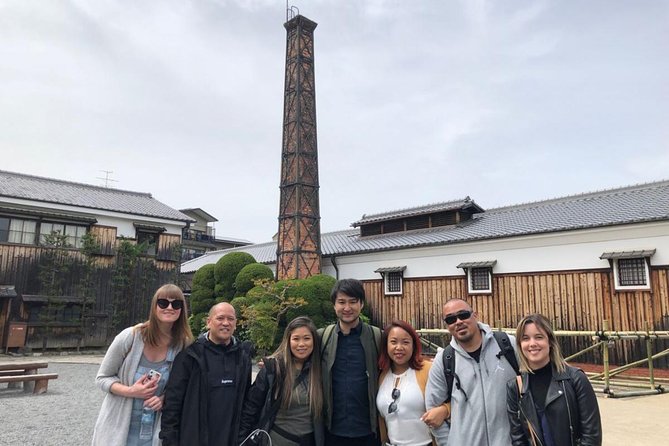
The tour unfolds in a clean sequence that builds your palate. You start with the museum foundation, then you walk the brewery district, then you finish at the tasting location where you apply what you learned.
Stop 1: Gekkeikan Okura Sake Museum (about 30 minutes)
This is the centerpiece. You go to the Gekkeikan Okura Sake Museum, where you learn about sake history and the brewing process through exhibits and observation. It’s not just trivia; it gives you a structure for the tasting later.
Gekkeikan is a name many people recognize from bottles in home countries. That makes the museum stop useful for both beginners and experienced drinkers. Beginners get the first principles: what makes sake sake. People who already like certain styles get a better sense of how brewing choices can shape the final cup.
The museum time is about 30 minutes, which is enough for a guided introduction without turning the day into a long indoor block. If you like asking questions, this is the moment where your guide can set you up for the rest of the walk.
A quick pass by Teradaya: Edo-era drama in brewery country
Between the museum and the next stop, you pass by Teradaya, a well-known spot tied to end-of-Edo period history. You’ll hear about the attack on Sakamoto Ryoma and the tragic Teradaya Disturbance.
This stop is brief, but it adds context. Kyoto’s sake culture didn’t happen in a vacuum—it developed through centuries of local life, trade, and political change. Even a short historical beat helps the area feel human, not just industrial.
If you’re someone who hates filler stops, this is likely tolerable because it’s a quick story inserted into a walking route rather than a full detour.
Stop 2: Kappa Gallery (about 30 minutes, ticket included)
Next up is Kappa Gallery, a museum dedicated to kappa, the creature long popular in Japanese stories. The tour frames this stop as part of learning about sake while you’re in the brewery district, so it’s less about learning fermentation science and more about tying local culture into the setting.
Why it’s fun: the kappa theme makes a brewery district stop feel less like homework. You get a sense of how local identity, humor, and craft can share the same streets.
One possible drawback: if you came strictly for brewing technique and nothing else, this stop may feel more whimsical than technical. Still, it’s ticketed and scheduled, so it keeps the pacing moving.
The tasting bar session: where your palate learns to speak
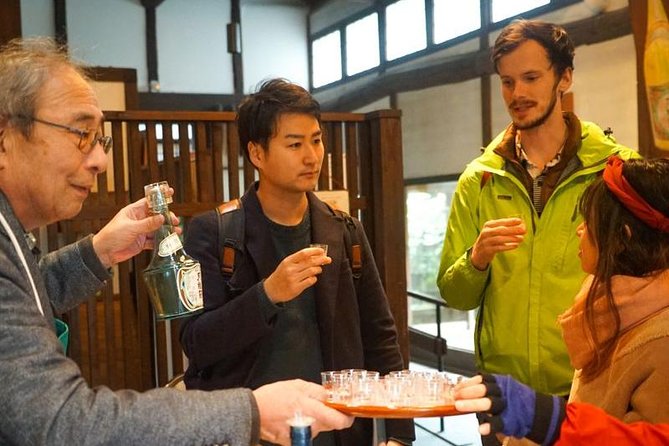
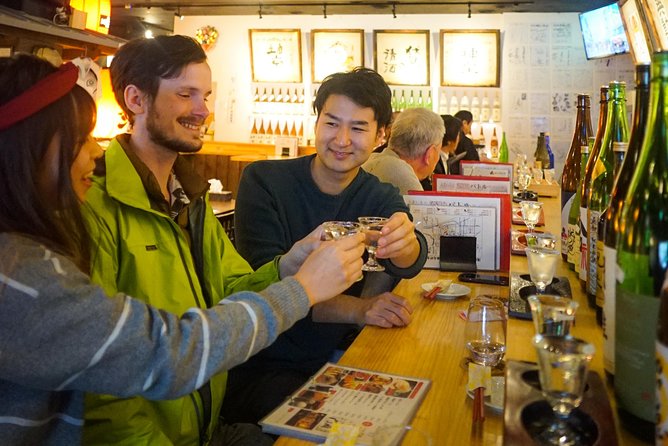
The final tasting is at an atmospheric local bar/restaurant area where you sample a range of sake varieties. This part is the reason most people book, and it’s also where the guide matters most.
Included is a tasting set of 18 kinds of sake. Some participants report tasting around 21 to 22, which suggests the exact lineup may vary by day or availability. Either way, you’re getting enough variety to notice patterns: dry versus sweet, lighter versus fuller textures, and differences in aromatic profiles.
Here’s how I’d approach it if you want more than a buzz:
- Take notes on what feels dry or smooth first, then circle back to aromas.
- Taste in small steps. Your tongue fatigues faster than your curiosity.
- Ask your guide to compare styles you just tried. That’s where the learning clicks.
One extra detail that helps: the guide supports the tasting with background on distinguishing tastes and understanding sake production techniques. That’s the difference between tasting and tasting with purpose.
Also, you can buy food or other drinks at the venue. Food isn’t listed as included, so if you want pairings, you’ll likely be choosing them during the tasting. And if you’re under 20, the tour notes you’ll receive snacks or foods instead of the sake tasting set.
What makes the guides matter (and who you might learn from)
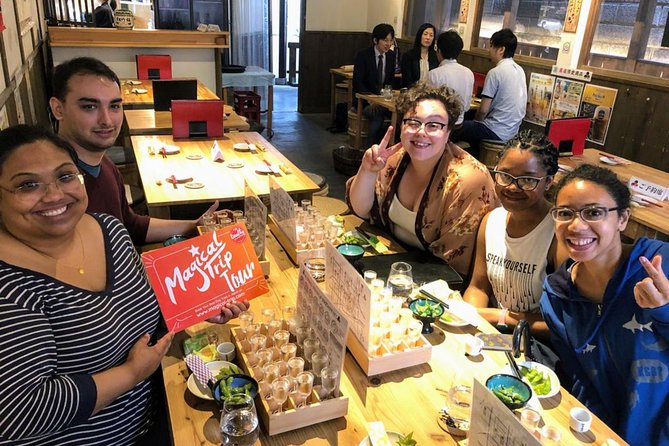
The most praised part of this experience is the guide—how they pace explanations and how much they enjoy the subject. Across the named guides who have led this route—people like Matt, Ayu, Kumi, Linda, Rika, Eri, Nobu, Yukari, and Yuka—the feedback pattern is consistent: guests felt they got both structured information and room for questions.
Some guides are specifically noted for strong presentation skills and organizing the pacing so tasting doesn’t feel chaotic. Others stand out for adding cultural context beyond the brewing process. One example mentioned is Linda, described as a sake sommelier, which makes a difference if you want higher-level explanations for how to read styles.
You should also know: a small group means the guide can actually respond instead of delivering a script into the void.
Pacing and comfort: when the tour feels perfect vs too much
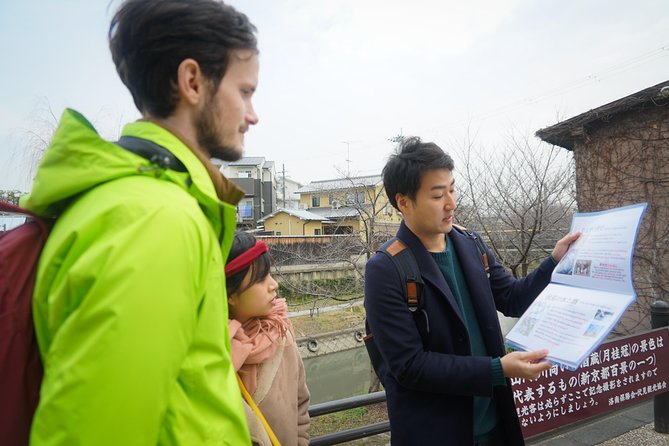
This tour is best for people who like a guided walk, enjoy learning in short bursts, and want lots of tastings in a half-day window.
It’s less ideal if:
- You dislike walking or can’t comfortably move along the route.
- You get overwhelmed easily by trying many samples back-to-back.
- You prefer long, slow tastings at one place rather than multiple curated stops.
That said, the tour’s length and cap of 7 travelers help keep it manageable. It’s not a cattle-car operation. Your guide can slow down when questions come up, and you’re less likely to feel lost in a crowd.
Tips to make your sake tasting smarter (not just stronger)
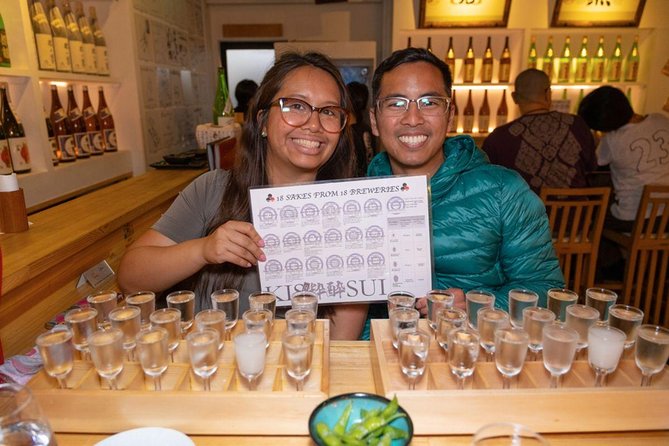
This is a drinking tour, yes, but it’s also a learning tour. You’ll get more out of it if you plan for how taste changes as you drink.
Before you go:
- Eat something normal earlier if you can. The tasting amounts are substantial.
- Bring water. Summer heat is real, and your body will notice it fast.
- Wear comfortable shoes. Brewery district walking adds up.
During the tasting:
- Don’t chase the strongest sake first. Start with what seems light or easy, then compare.
- If you find a style you like, ask what makes it that way. Your goal is to connect flavor with brewing decisions.
- If you want to buy bottles afterward, take mental note of what you liked. The tour info indicates bottles can be purchased at the tasting stop, which makes this a practical shopping outing.
If you’re trying to avoid going overboard:
Go slow on the stronger styles and keep water nearby. You don’t need to finish every sample in one gulp.
Should you book this Kyoto Sake Brewery & Tasting Walking Tour?
I’d book it if you want:
- A structured introduction to sake that actually helps you taste better later
- A museum stop at Gekkeikan Okura plus tasting in the same day
- A small group experience with a guide who supports questions
- Enough tasting variety to figure out what style fits your palate
I’d hesitate if you:
- Need a low-walking option (the tour isn’t recommended for mobility issues)
- Hate the idea of sampling lots of sakes in a short window
- Have strict allergy needs. The tour notes it can’t guarantee allergy-free catering because kitchens involved aren’t necessarily the provider’s, and substitutions may not always be available
If you book, do yourself a favor: come curious, not just thirsty. You’ll leave with a much better sense of what you like and why.
FAQ
How long is the Kyoto Sake Brewery & Tasting Walking Tour?
It’s about 3 hours.
Where does the tour start and end?
It starts at Chushojima Station and ends at Fushimi-Momoyama Station.
What is included in the tour price?
The price includes admission to the Gekkeikan Okura Sake Museum, photos during the tour, and sake tasting (18 kinds at the sake restaurant). You also get a certified guide.
How many sakes will I taste?
The tour includes tasting 18 kinds of sake at the restaurant.
Is this a small-group tour?
Yes. The group size is capped at a maximum of 7 travelers.
Is the tour suitable for people under 20?
Anyone under 20 will receive some foods or snacks instead of the sake tasting set.
Can I buy extra food or drinks during the tour?
Yes, additional food or drinks are available for purchase, but they are not included in the price.
Is the tour accessible for mobility issues?
It’s not recommended for people with mobility issues. If you have trouble walking, you should contact the provider about whether a private option is possible.
What should I bring for the tour in summer?
Bring water and wear a hat, since summer in Japan is very hot and humid.
What is the cancellation policy?
You can cancel for a full refund if you cancel up to 24 hours in advance of the experience start time.