REVIEW · HERMANUS
Hermanus Land based Whale Tour with Dave de Beer
Book on Viator →Operated by Dave de Beer - Hermanus Whales and Walks · Bookable on Viator
Whales from land sounds almost unreal. In Hermanus, you can watch southern right whales from shore, then learn the story behind them with a private guide, Dave de Beer. This is land-based whale watching, so you skip the open-water boat ride and focus on views, timing, and real local know-how.
I love how the tour starts with a guided visit to the Whale House Museum, where you get the basics on the southern right whale’s size and what makes Hermanus such an important place for them. I also like the second half: a 2-hour cliff path walk where Dave shares where to look and what whale behavior to watch for, including when a breach might happen for the best photo moment.
One consideration: this experience depends on good weather. If weather is poor, the tour can be canceled and you’ll need to choose a different date or get a full refund.
In This Review
- Key things to know before you go
- Why Hermanus works so well for whale watching from shore
- Whale House Museum: your head start on southern right whales
- The Hermanus Cliff Path walk: spotting with Dave’s local sight lines
- What the pacing feels like
- A realistic note on expectations
- What makes this private tour worth the money
- Matching this tour to your travel style
- How to set yourself up for whale success in Hermanus
- Practical details you’ll want to know before heading out
- Should you book the Hermanus land whale tour with Dave de Beer?
- FAQ
- How long is the Hermanus land whale tour with Dave de Beer?
- What’s included in the tour?
- Is this tour private?
- Where does the tour start?
- Do I need a paper ticket?
- What if the weather is bad?
- Can I cancel for a refund?
Key things to know before you go
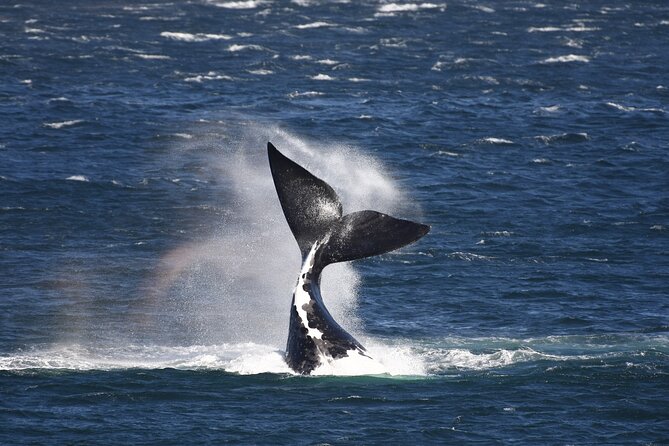
- Private, shoreside whale watching: it’s only your group, with Dave guiding the pace and focus.
- Whale House Museum orientation: get whale basics plus the connection between whales and Hermanus.
- Cliff views from about 15 metres above the ocean: high vantage helps you scan Walker Bay.
- Ocean depth near the cliffs is around 10 metres: that nearby depth can help whales approach relatively close to shore.
- Behavior-focused spotting: Dave discusses whale age and behavior, and points you toward likely moments for a breach.
- Built for non-boat watchers: ideal if you’re not comfortable on boats but still want serious whale time.
Why Hermanus works so well for whale watching from shore
Hermanus has a reputation for whale spotting for a reason: the whale-viewing setup is built into the town itself. Instead of trying to time choppy open-water conditions, you’re watching from a cliff path that sits about 15 metres above the ocean. That height gives you a wider look across the bay, so you can track movement without constantly repositioning like you would on a boat.
There’s also a practical feel to this style of whale watching. You’re in a compact, walkable place, and Dave’s job is to get your eyes on the right pieces of the bay at the right moments. That matters because whales aren’t on a schedule you can control. You’re looking for patterns—what they’re doing, where they’re positioned, and whether something might change soon.
And because it’s land-based, you’re not trading comfort for the chance to see whales. If you know you’ll feel uneasy on a boat, you’ll likely breathe easier with this format. You still get the excitement of spotting a huge animal out in the water, but you do it with your feet on stable ground and your attention focused on one view.
Whale House Museum: your head start on southern right whales
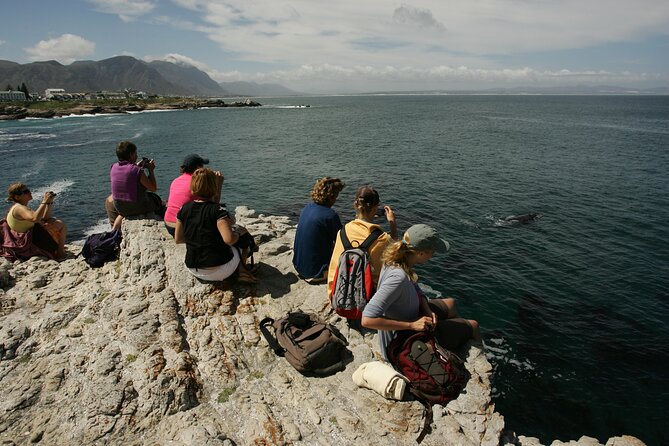
Stop 1 is the Whale House Museum, and it’s not just a ticket you scan and move past. Dave takes you through what southern right whales are like and why Hermanus matters to them. You’ll learn foundational details such as their size, length, and weight—the kind of context that makes a first sighting far more meaningful. When you understand what you’re looking at, you stop guessing and start recognizing.
This museum stop also ties the whales to the town’s human story. Dave talks about the whaling days and how that impacted southern right whales—how it pushed them close to being wiped out. For many people, that part hits hardest. Whale watching can feel magical on the surface, but this grounding makes the experience feel earned, not just entertaining. It also helps you see why Hermanus keeps showing up in the southern right whale conversation.
The museum visit is included in the experience time and includes admission. You’ll spend about 30 minutes here, which is a smart length. It’s enough time to get your bearings and learn what to look for later, without dragging the day into a full museum marathon.
A small drawback to plan for: the museum is an indoor start, so if you’re eager for immediate ocean views, you’ll wait roughly half an hour before you’re outside on the cliff path. I’d treat that as setup time. The payoff is that when you step outside, you already have the right questions in your head.
The Hermanus Cliff Path walk: spotting with Dave’s local sight lines
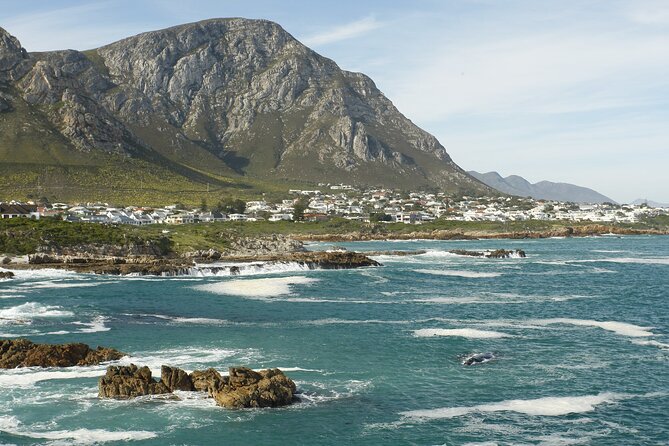
Stop 2 is the main event: a 2-hour walk along the Hermanus cliff path in front of town. Dave guides you at an elevation of about 15 metres above the ocean, and he’ll take you to key whale sighting locations—including what he calls secret spots. Whether you’re a first-time whale watcher or you’ve tried before, this is where the tour turns into something practical.
Dave doesn’t just point at water and hope you notice something. He explains the relevant information as you walk, including:
- the whales’ age and behavior
- what to watch for while scanning
- the best possible timing of a breach for the best photo moment
That last bit is the difference between casual viewing and a hunt with purpose. Breaches are short, dramatic events. If you’re not paying attention or you don’t know what might trigger one, you can miss it. Dave’s approach helps you watch for changes, not just animals in the distance.
Another factor that makes Hermanus work is what’s happening right below the cliffs. The ocean immediately down from the cliffs is about 10 metres deep. You might not think depth matters, but it’s relevant because it shapes how close whales can approach to shore in that area. The goal on this tour is to give you the best chance of seeing whales clearly from land, and local geography is part of that.
What the pacing feels like
Because this is a private tour, you’re not forced to move at the pace of strangers who might get bored or freeze on a windier section. You can slow down to scan, step to a better angle, or ask a question that pops up mid-sighting. The overall vibe is personal and question-friendly—people highlight that Dave answers even small questions and works hard to get you whale time.
A realistic note on expectations
Even with the best guide, whales still decide when they show up and how close they come. Think of this tour as a guided system for maximizing your odds—museum context first, then strategic scanning and timing from the cliffs. You’re not guaranteed a breach, but you are guided to look at the right things at the right time.
What makes this private tour worth the money
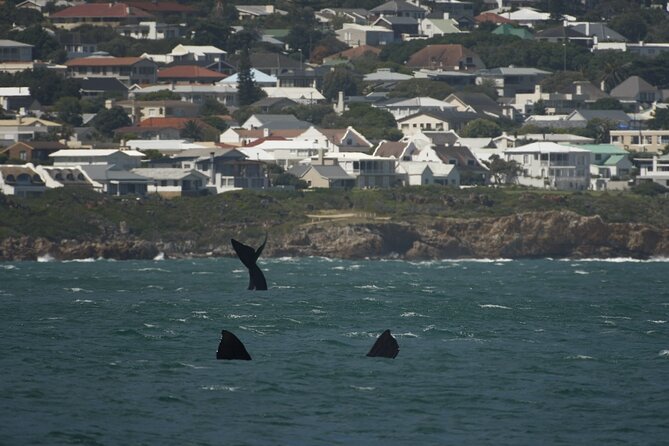
The price is $80.81 per person, and the duration is about 2 hours 30 minutes total. At first glance, it’s easy to compare it to other whale activities that might look cheaper. But the value here isn’t only the whale sighting itself. It’s what you’re buying with a private guide.
You get:
- a focused, two-part experience (museum + cliff walk)
- admission included for the museum stop
- a guide who knows the shoreline and how to read whale behavior
- private time—so your questions and your scanning pace are part of the plan
When a tour is private, your guide can tailor the hunt. If your group wants more explanation, Dave can talk you through what you’re seeing. If you’re mostly there for the view, he can keep moving you toward the next likely spot. Either way, it’s not a one-size-fits-all situation.
The other value piece is risk reduction. Boat tours can be a problem if you’re prone to motion sickness or simply don’t want to be on open water. This tour is made for people who aren’t comfortable on boats but still want a real whale-watching experience. You trade the sea ride for more time outside with a big view and a guide who’s trained to find animals from shore.
Also, timing matters. This activity is commonly booked about 26 days in advance. If you have a firm travel schedule, plan ahead so you’re not hunting for last-minute availability.
Matching this tour to your travel style
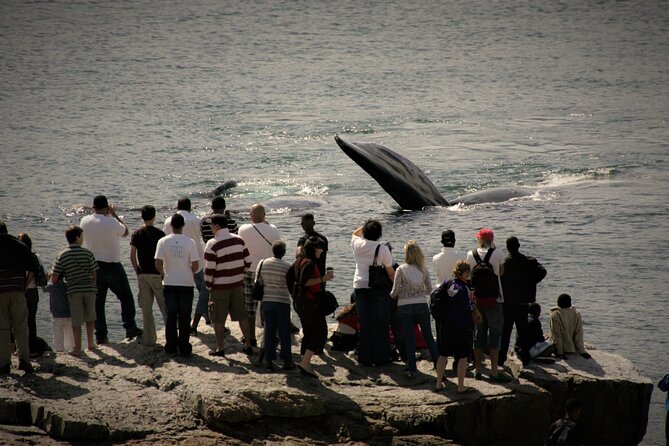
This tour fits best if you want whales but you also want control—control over comfort, pace, and learning.
It’s especially a strong match if:
- you’re not comfortable on boats but still want southern right whales
- you like learning while you travel, not only taking photos
- you want a guide who’s able to answer questions without rushing you
- you prefer a smaller, more personal experience rather than a crowded group
It’s less ideal if your top priority is watching from open water for the closest possible angles. This is shore-based viewing from the Hermanus cliff path, with the ocean right there below, but it’s not designed around boat photography.
One more fit note: most travelers can participate. That suggests the main activity is within a typical comfort range for walking and standing outdoors. Still, you should be prepared for a 2-hour walk on a cliff path, and you’ll enjoy it more if you wear comfortable shoes and dress for the coastal conditions.
How to set yourself up for whale success in Hermanus
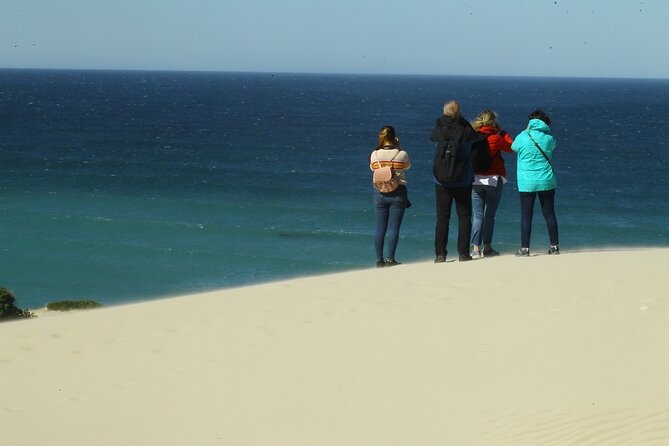
You don’t control whale behavior, but you can control what you do next.
Here’s how I’d plan your day around this tour style:
- Build in a little patience for scanning. Whales might appear after quiet time, and cliff spotting is all about watching steadily.
- Treat the museum stop as useful homework. The moment you step outside, you’ll be better at spotting because Dave has already framed what you’ll likely see.
- Ask questions while you’re walking. This tour’s strength is conversation and interpretation, not just standing silently near the railing.
- Keep your expectations flexible for weather. The experience requires good weather, and if it can’t operate safely, you’ll be offered a different date or a full refund.
If you care about photos, pay attention to timing and guidance rather than only chasing movement. Dave specifically talks about the best possible timing for a breach photo moment, which is exactly where a guided approach pays off.
Finally, pick a date you can truly enjoy outdoors. Hermanus is a “look longer” kind of place for wildlife. The cliff path experience rewards steady attention.
Practical details you’ll want to know before heading out
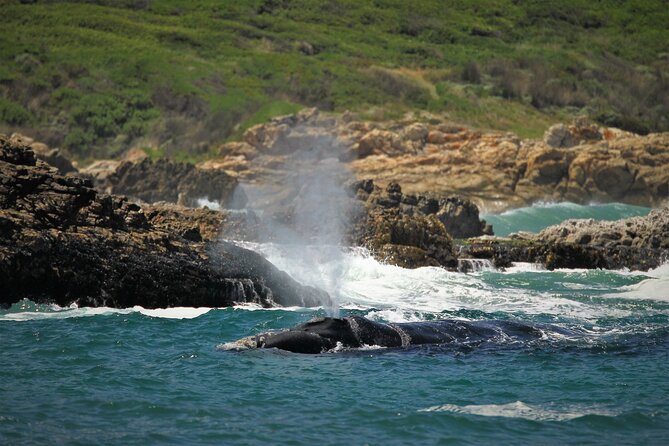
Meeting point: Whale Museum, 3 Market Square St, Hermanus, 7200, South Africa.
The tour ends back at the meeting point.
Ticketing: Mobile ticket. You’ll receive confirmation at booking.
Group size: Private tour/activity, so only your group participates.
Time on the ground: about 2 hours 30 minutes total, with two clear segments: around 30 minutes at the Whale House Museum, then a 2-hour cliff path walk.
These details matter because they shape how you schedule your day. Since it’s a straightforward start-and-finish from one spot, you won’t need complex transport planning or a long commute.
Should you book the Hermanus land whale tour with Dave de Beer?
If you want southern right whales in Hermanus and you don’t want the uncertainty or discomfort that can come with boat rides, I’d strongly consider booking this private tour. The biggest reason is the two-part structure: you learn the essentials at the Whale House Museum, then you put that knowledge to work on the cliff path with a guide who focuses on age, behavior, and timing—especially around breach moments.
It also looks like the experience is built for people who care about questions and clarity. With a very high overall rating (4.9) and a recommendation rate of 96%, you’re not signing up for a rushed, generic walk-and-point setup. You’re paying for a guide-led plan.
One last decision check: if you’re traveling during a period where weather can be hit-or-miss, keep your schedule flexible. This tour needs good conditions, and that’s not something you can override.
If you can plan for a good weather window and you’d rather stand on solid ground than ride open water, book it and spend the time scanning with Dave.
FAQ
How long is the Hermanus land whale tour with Dave de Beer?
The tour is about 2 hours 30 minutes total.
What’s included in the tour?
The Whale House Museum visit is guided, and admission is included. The cliff path portion is guided as well.
Is this tour private?
Yes. It’s a private tour/activity, so only your group participates.
Where does the tour start?
It starts at the Whale Museum, 3 Market Square St, Hermanus, 7200, South Africa, and it ends back at the meeting point.
Do I need a paper ticket?
No. You’ll use a mobile ticket.
What if the weather is bad?
This experience requires good weather. If it’s canceled due to poor weather, you’ll be offered a different date or a full refund.
Can I cancel for a refund?
Yes. You can cancel up to 24 hours in advance for a full refund. If you cancel less than 24 hours before the start time, the amount paid is not refunded.